How I Spent Summer in Hamburg: A Guide for Non-First Timers
Last updated July 10, 2025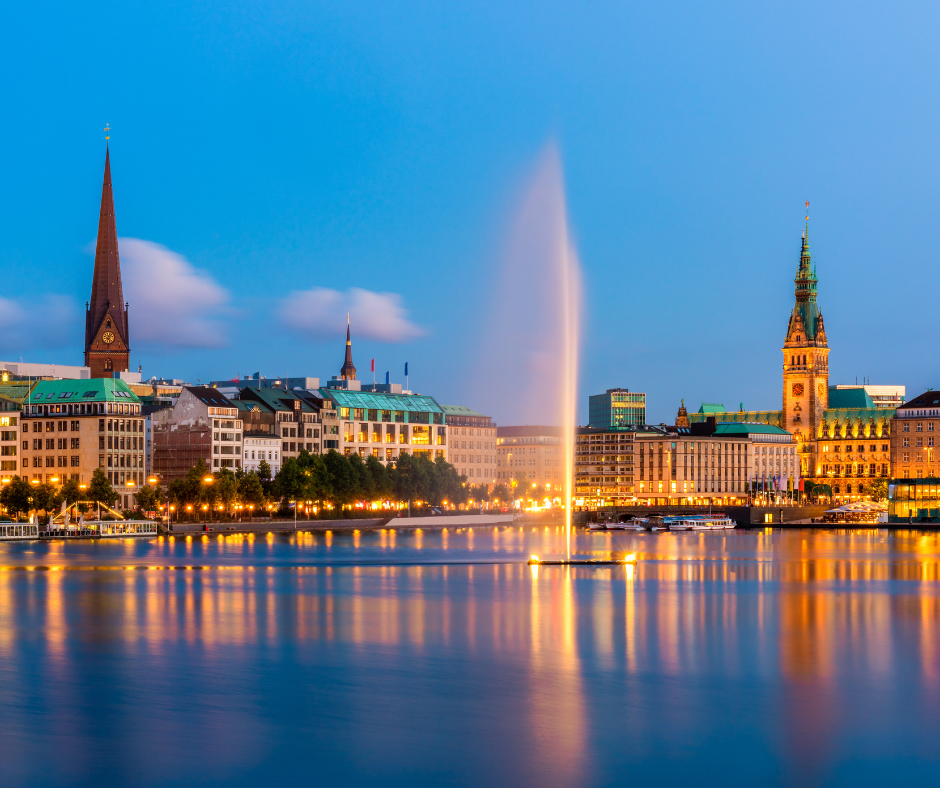
Everyone talks about summer in Italy or Spain, but if you haven't experienced summer in Hamburg, you're missing out on one of Northern Europe's best-kept secrets. When the warm weather hits, the entire city moves outside—from afternoon spritzes in the Portuguese Quarter to sunset hangs along the harbor.
Since this wasn't my first rodeo in Hamburg, I didn't spend my days waiting in lines at the big sights. Instead, I set out to explore the spots that make locals actually stay in town for the summer. Whether you've visited before or simply prefer off-the-beaten-path recommendations over generic top-10 lists, here is my personal guide to enjoying Hamburg like a seasoned returner.
Strolling along Bleichenfleet
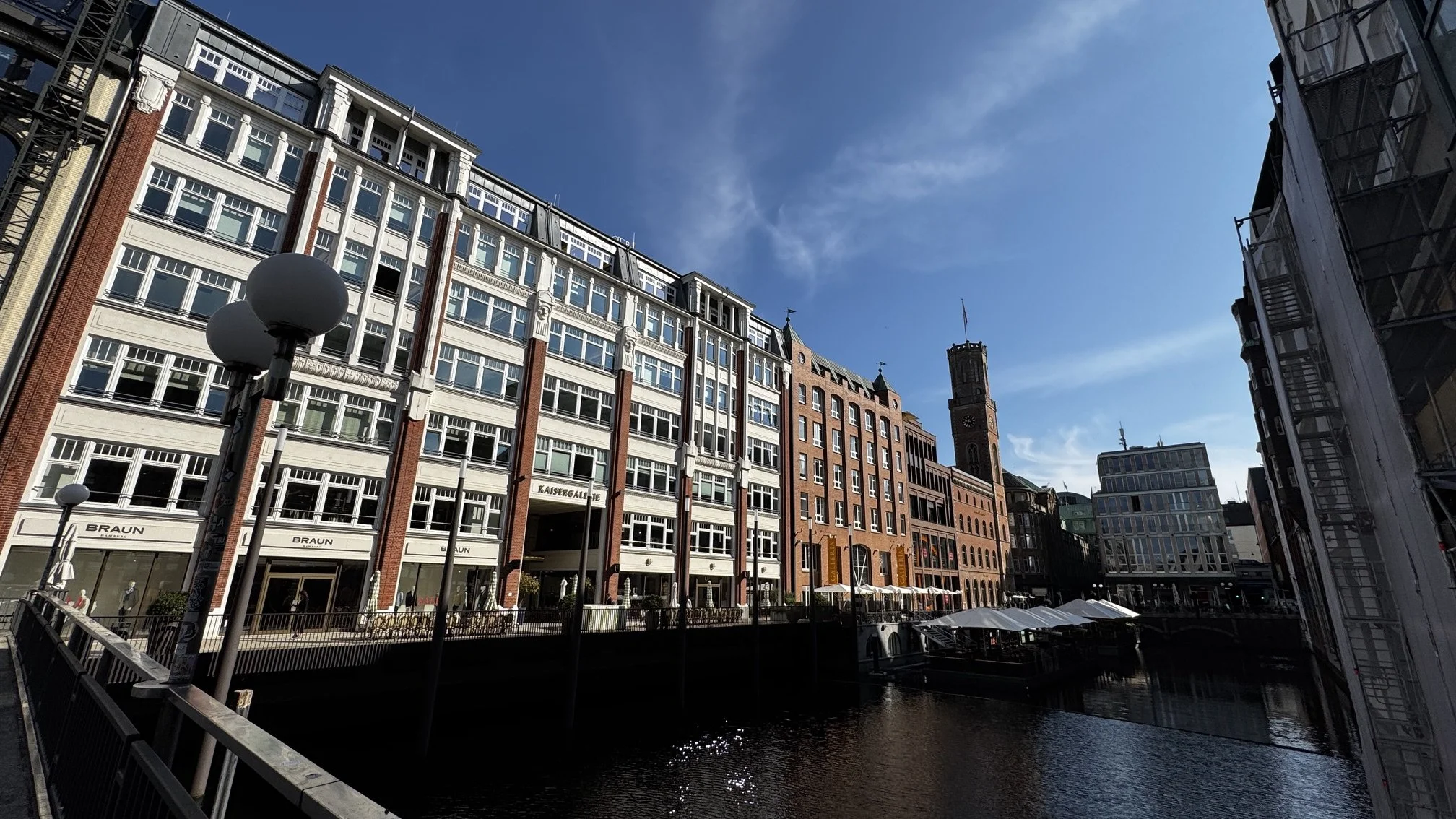
I really like the vibe at Bleichenfleet. This spot is one of Hamburg’s most historic and scenic inner-city canals (fleete), running through the Neustadt district between the Binnenalster lake and the Elbe River.
Built in the 15th and 16th centuries, the Bleichenfleet, along with the adjoining Herrengrabenfleet, originally served as an outer moat protecting Hamburg's western city wall. The word "Bleichen" comes from the historical practice of linen bleaching (Linnenbleiche). In centuries past, local laundry workers and weavers laid out wet linen along the banks of this canal to bleach in the sun. Today, this "Canal Island" is a narrow urban island filled with historic brick merchant houses, art galleries, boutique shops, and waterfront dining.
This area feels classy and is filled with waterfront shopping passages. The canal runs along the rear of high-end shopping passages like the Galleria and designer boutiques along Neuer Wall, offering iconic views of historic glass and red-brick facades reflecting on the water. I would suggest starting your itinerary here in the morning; from this spot it’s also an easy walk to Hamburg Rathaus (City Hall).
Stop for coffee or breakfast at Tchibo
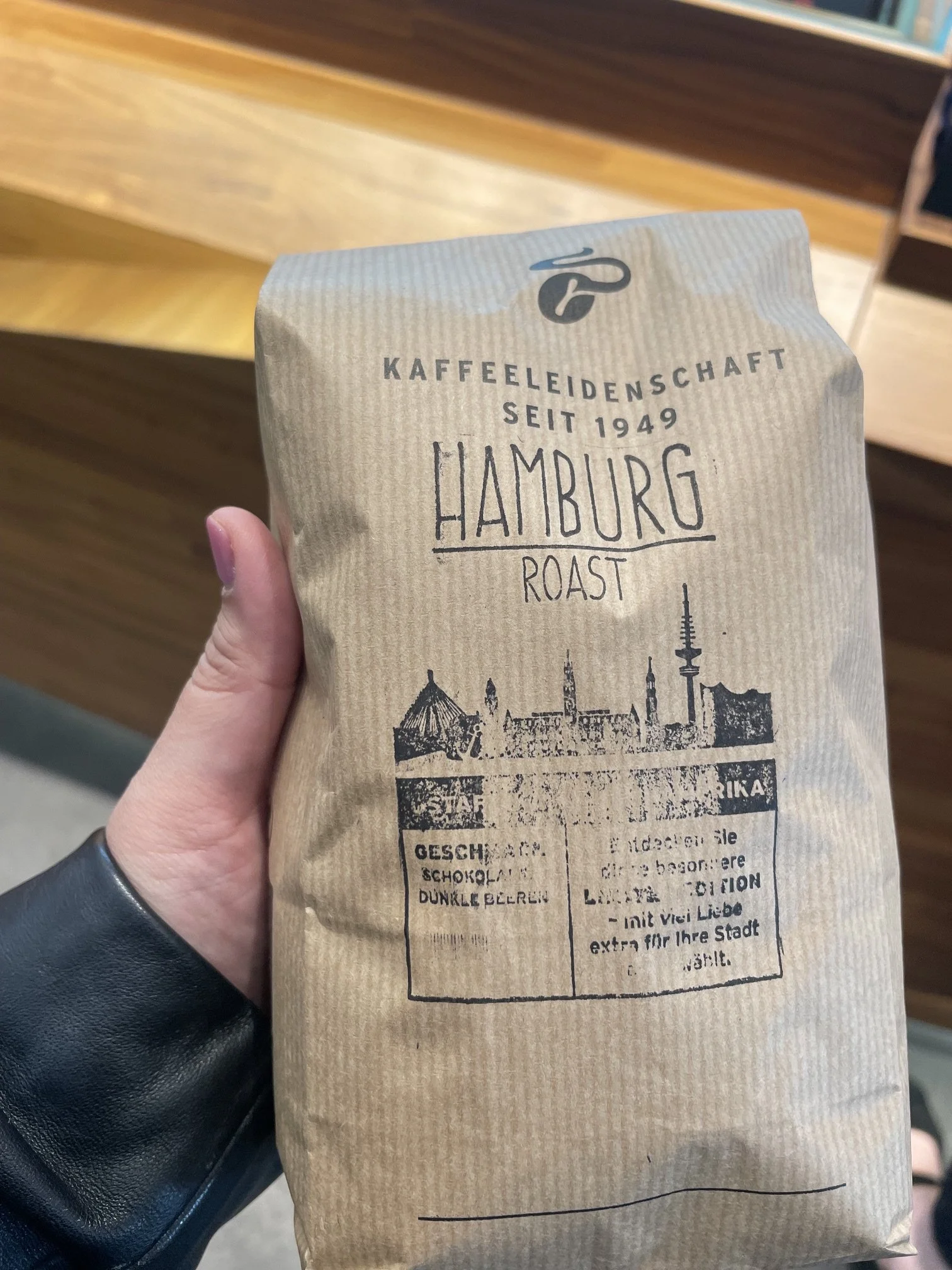
I love coffee and I must have one every day! While exploring Hamburg early in the morning, my sister said, “Let’s go grab coffee at Tchibo and have an easygoing break there.” “What is Tchibo?” I asked. She replied, “It’s a famous coffee brand here and you must try it!” And she was right.
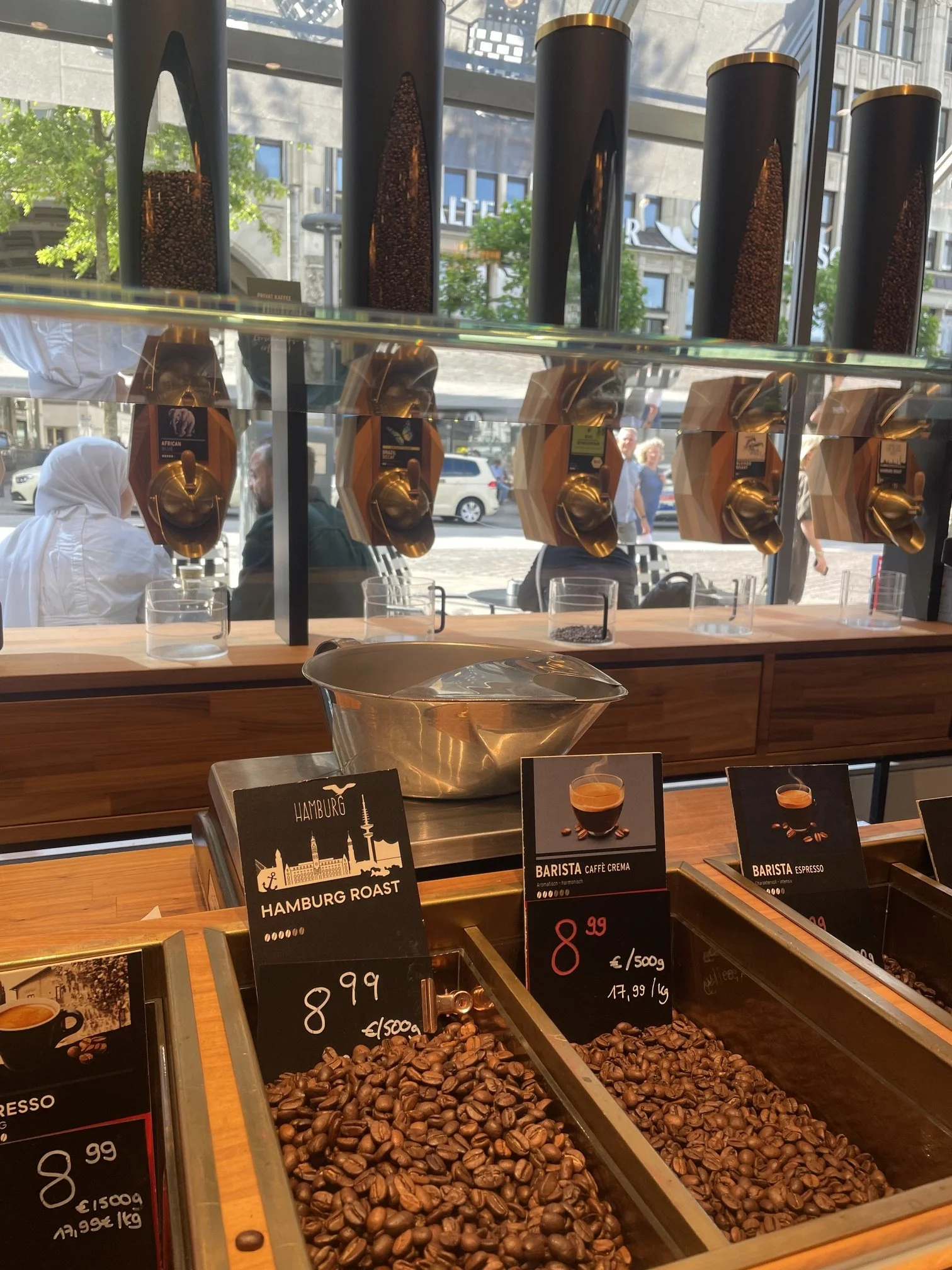
Tchibo is one of Hamburg’s most famous homegrown companies. The concept is nice: part coffee shop, part bakery, and part mini-department store. When you step into a Tchibo store in Hamburg, you’ll encounter the coffee counter selling drinks, the fresh bakery and café section (with a long queue too!), and the non-food section where you can buy many Tchibo products.
The brand was founded in 1949 by merchants Max Herz and Carl Tchilingaryan, who started Tchibo in Hamburg as a mail-order business sending freshly roasted coffee directly to customers' homes. The name "Tchibo" is a portmanteau of Tchilingaryan and Bohne (the German word for coffee bean). Today Tchibo is loved by locals and has locations across Hamburg in many neighborhoods. For tourists, popping into a Tchibo is a quintessential German cultural experience. I suggest buying the coffee beans to take home as gifts for loved ones. Their coffee gifts make a memorable present, and the tasty drinks will be sure to create memories for both you and the recipients.
Continue shopping or window-shopping in Neustadt
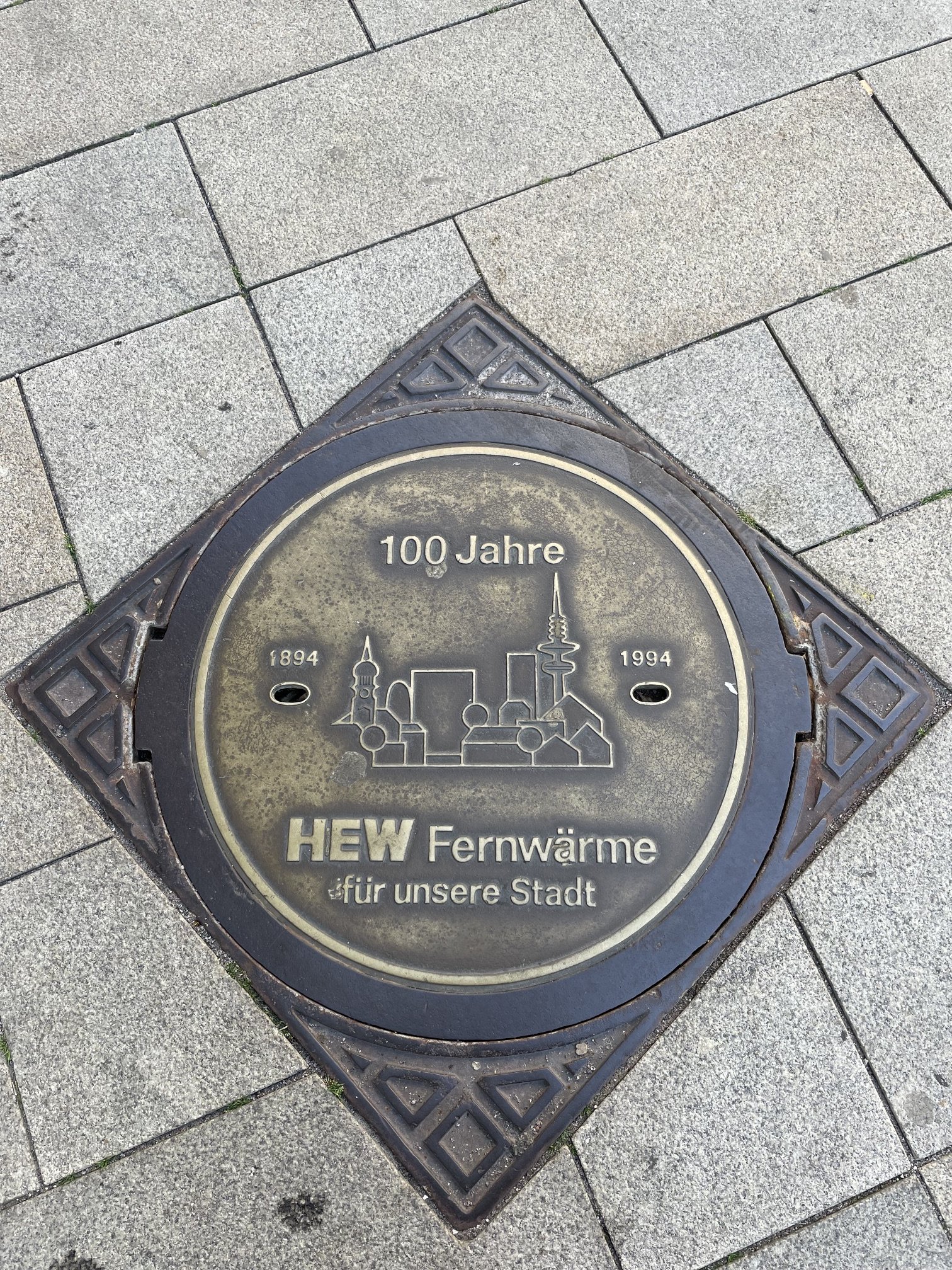
Neustadt ("New Town") is one of Hamburg’s most versatile, central, and culturally rich quarters (Stadtteile). Stretching from the Binnenalster lake all the way down to the Elbe River, it sits right in the heart of the city between Altstadt (Old Town) to the east and St. Pauli to the west.
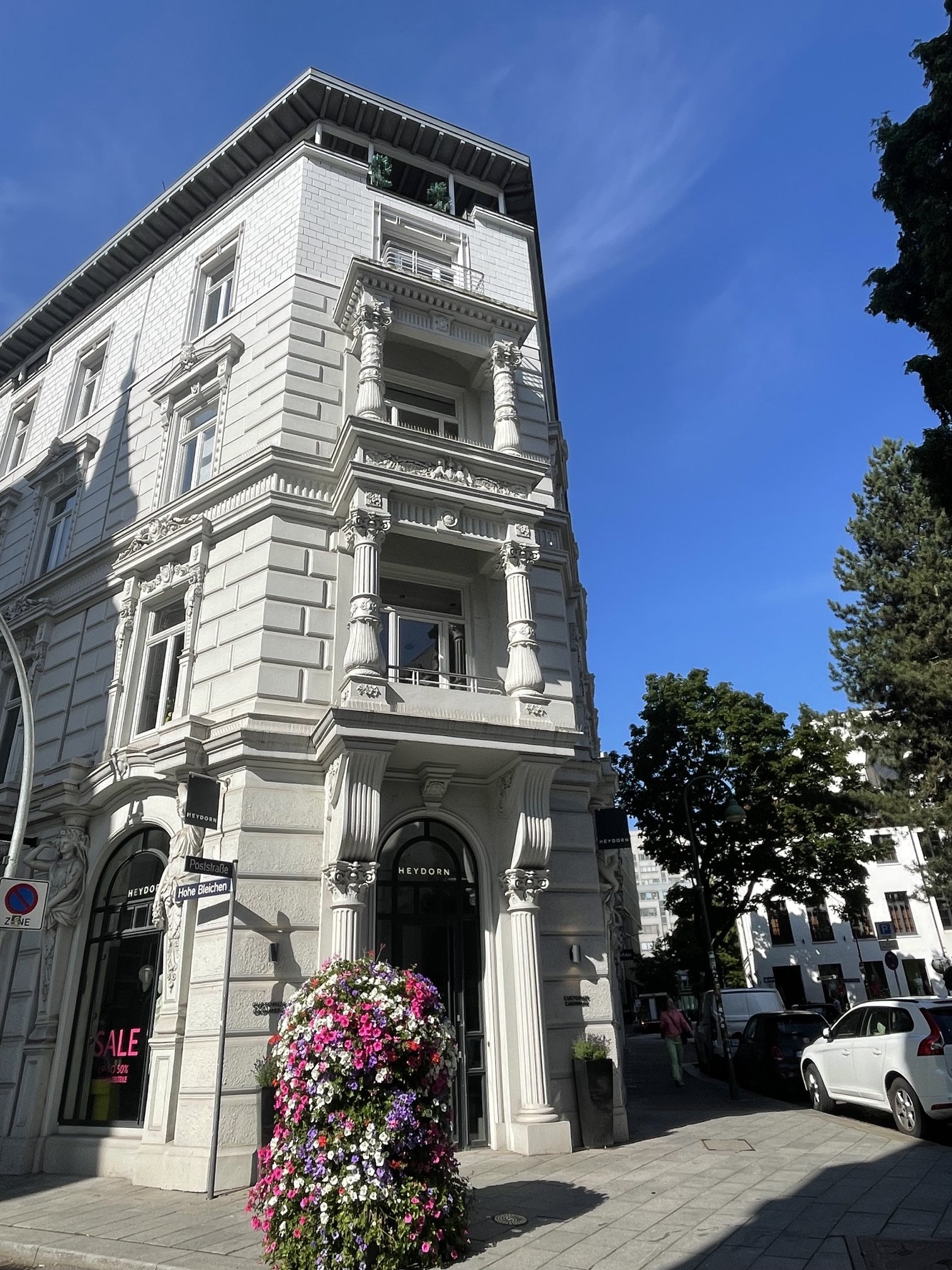
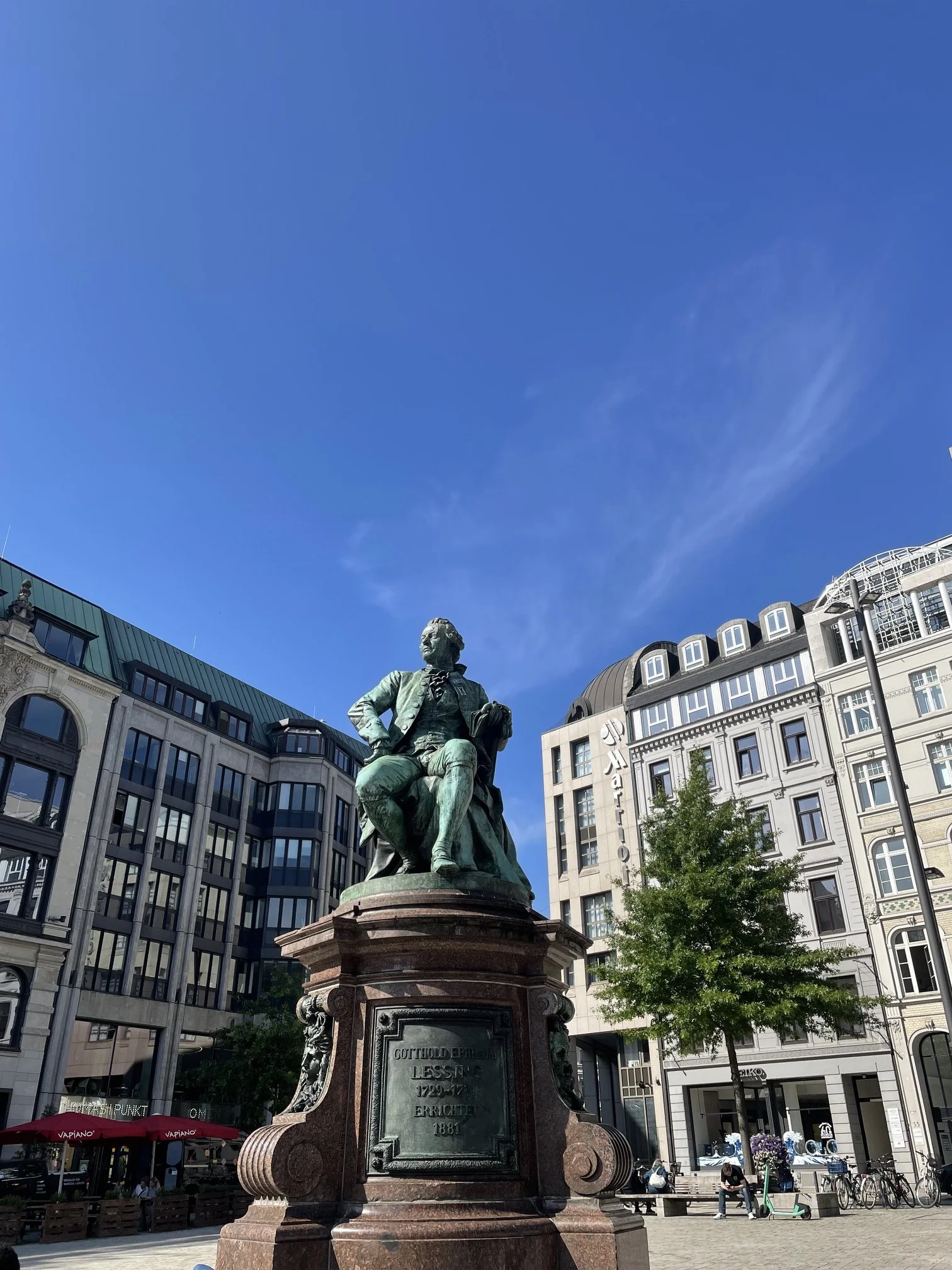
This is where you can find the high-end shopping district (Neuer Wall and Jungfernstieg) and Fleetinsel ("Canal Island"), a scenic enclave formed by the surrounding Fleete (canals). Fleetinsel is home to art galleries, brick merchant buildings, and relaxed outdoor dining over the water. This area also contains many iconic landmarks such as St. Michaelis Church, Krameramtsstuben (Grocer's Apartments), Planten un Blomen, and the Laeiszhalle.
Enjoy Lunch at Le Big TamTam
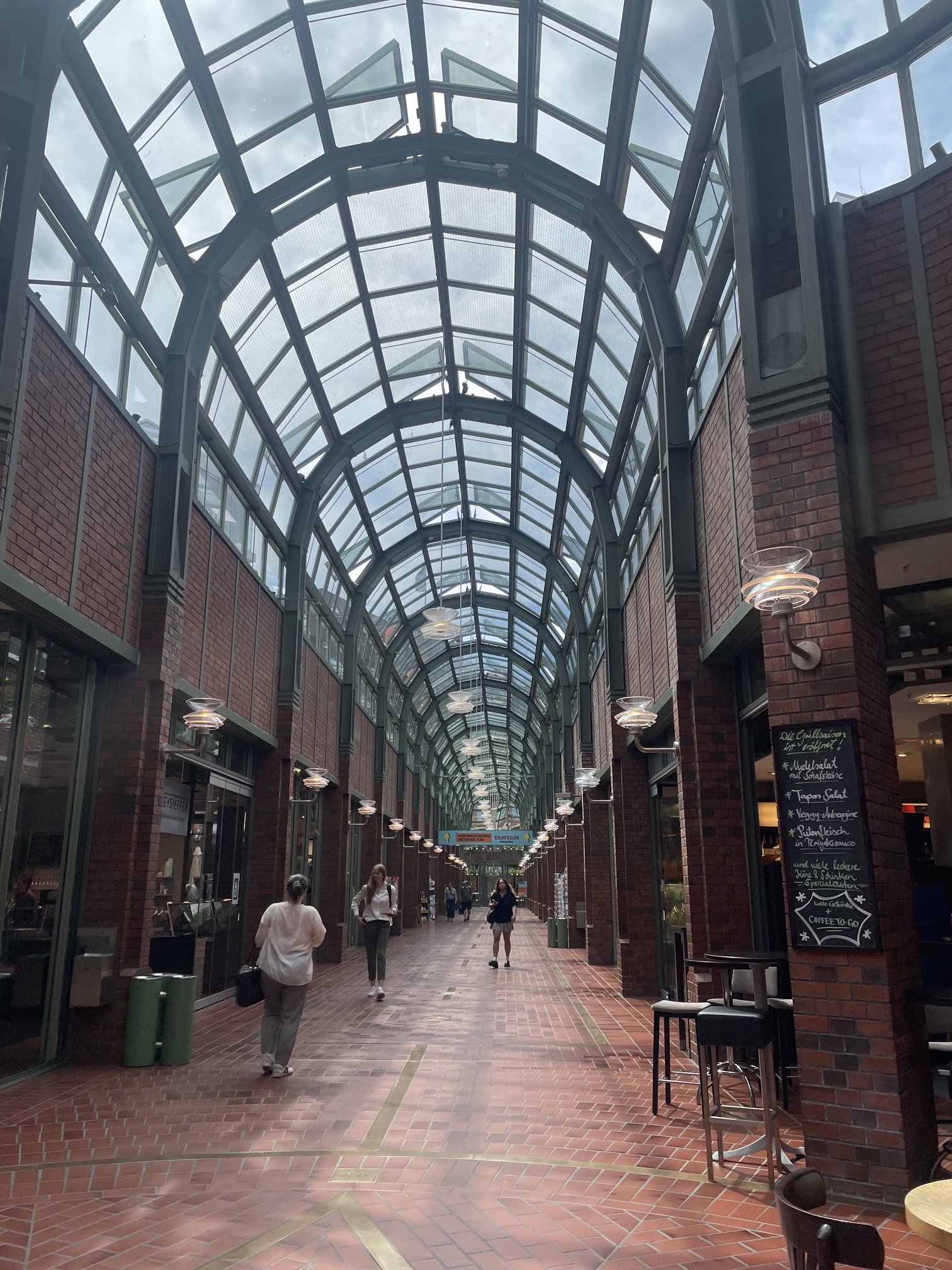
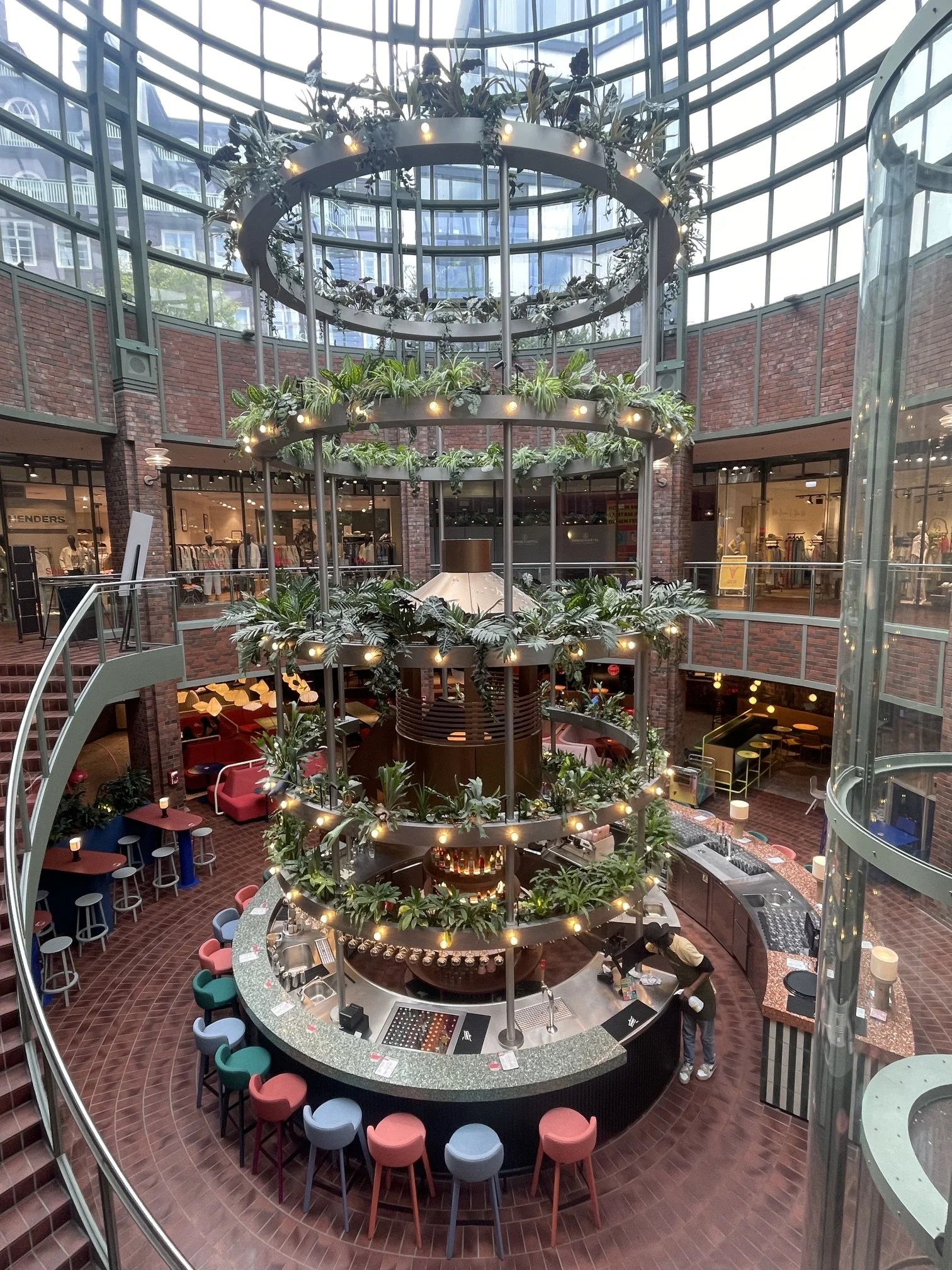
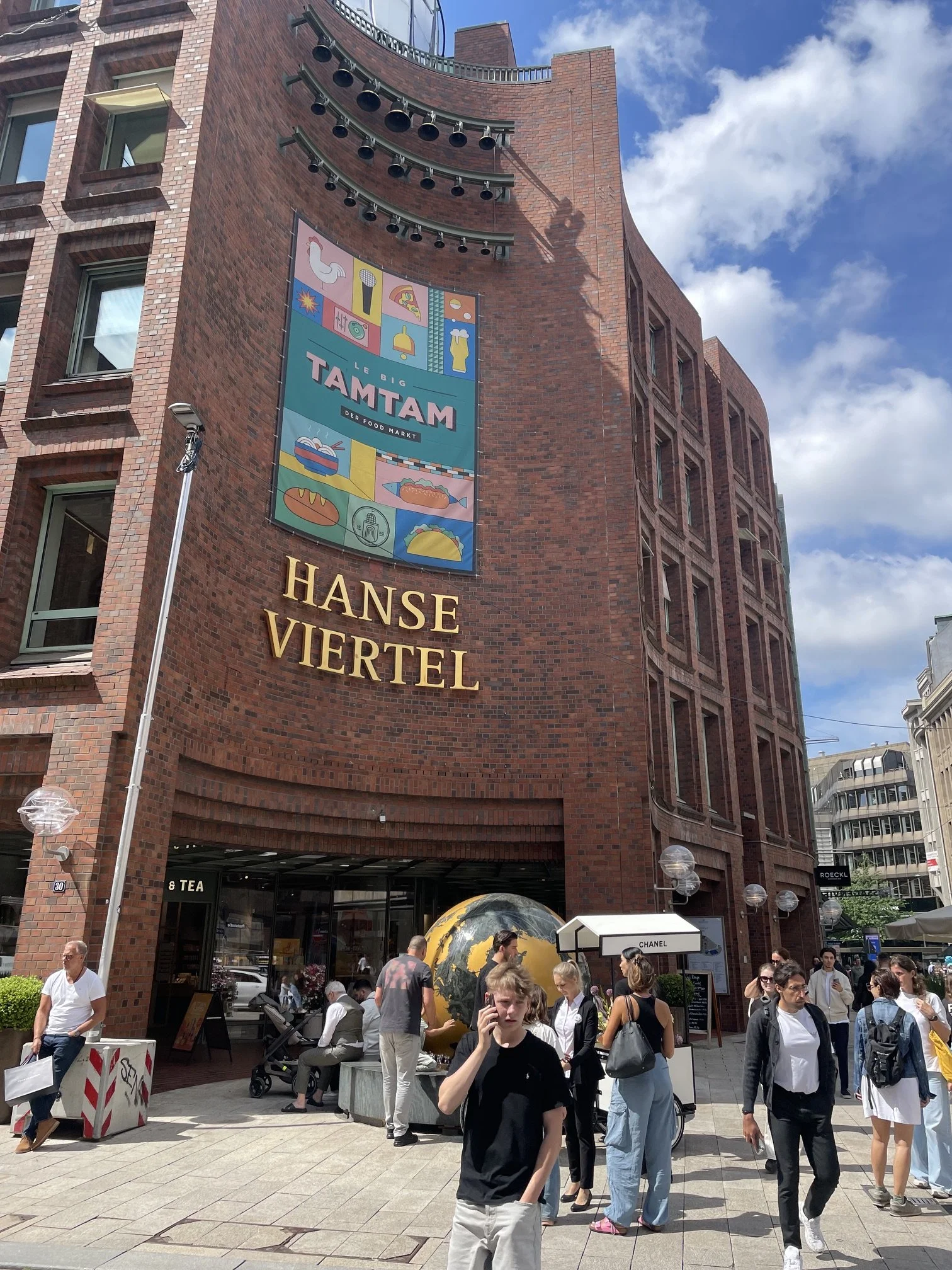
Time for lunch! I want to recommend this spot to you: Le Big TamTam, located in the historic Hanseviertel shopping arcade on Große Bleichen in Neustadt. Hamburg’s premier upscale, design-forward food hall spans around 2,000 square meters under a massive glass rotunda. Designed by the renowned Studio Aisslinger, it feels like a vibrant, colorful culinary playground.
What makes Le Big TamTam special is its curation of local culinary stars. Instead of standard global fast-food chains, TamTam brings together five of Hamburg’s best-known independent restaurateurs and culinary concepts under one roof:
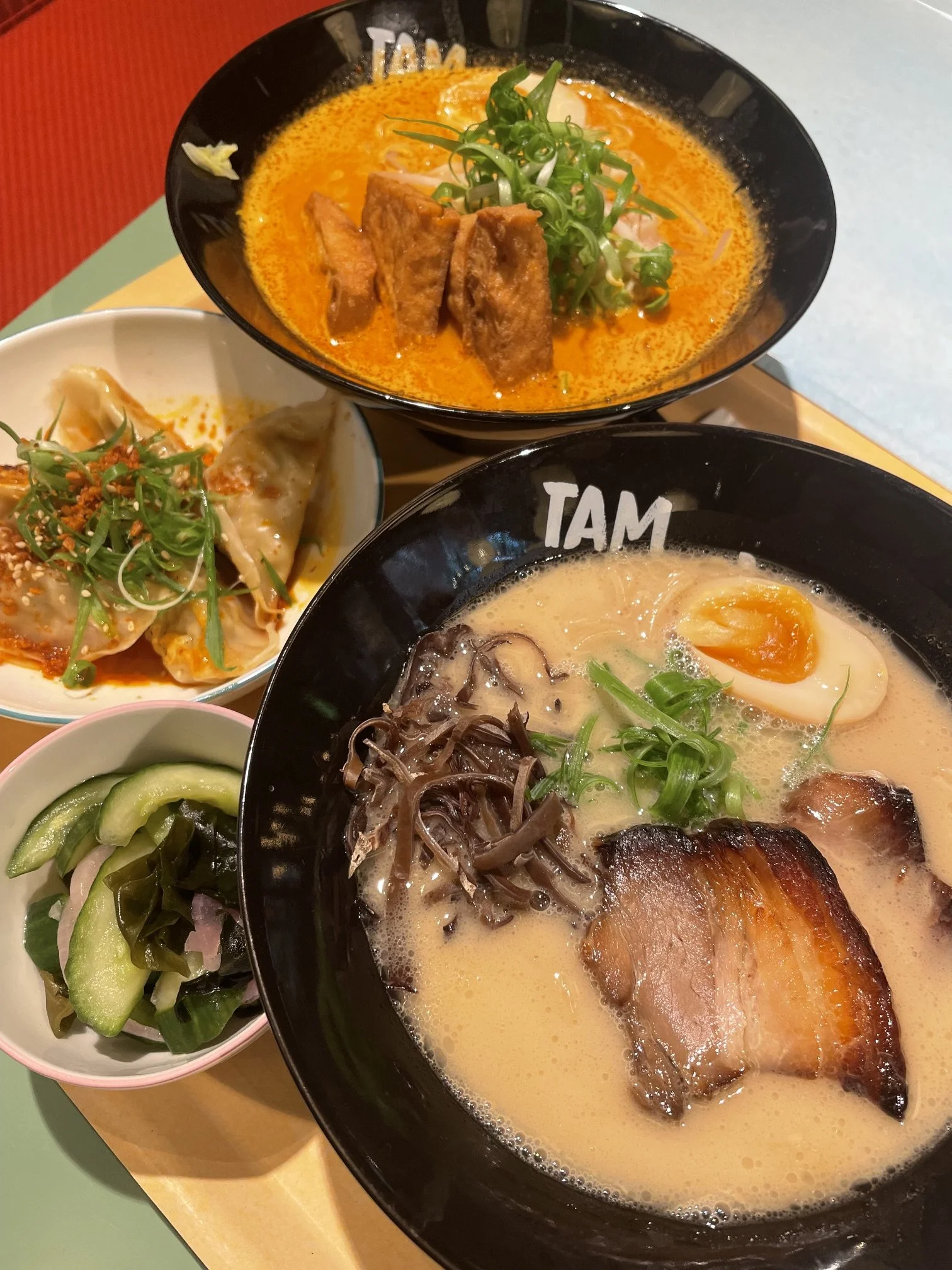
MOMO Ramen: Japanese ramen, gyoza, and toppings (notably recognized in the Michelin Guide).
Underdocks: A modern reinterpretation of Northern German seafood—famous for gourmet fish rolls, lobster rolls, and loaded fries.
ÜberQuell: Neapolitan-style wood-fired pizzas and craft beers from their own microbrewery in St. Pauli.
Miguelez: Authentic Mexican street food, fresh hand-rolled tacos, and chilaquiles by Miguel Zaldívar (a pioneer of Mexican cuisine in Germany).
Yeah Boy: American-style comfort food, specializing in fried chicken, chicken & waffles, and plant-based comfort dishes.
Central Bar & "Hamburg's Smallest Bar": In the center of the rotunda sits a stylish bar serving cocktails and local drinks, alongside a tiny, elevated bar tucked high up in the structure.
Since my sister and I were craving hot soup, ramen was the perfect choice for lunch, so we grabbed two bowls from MOMO.
Have Dinner at Portuguese Quarter
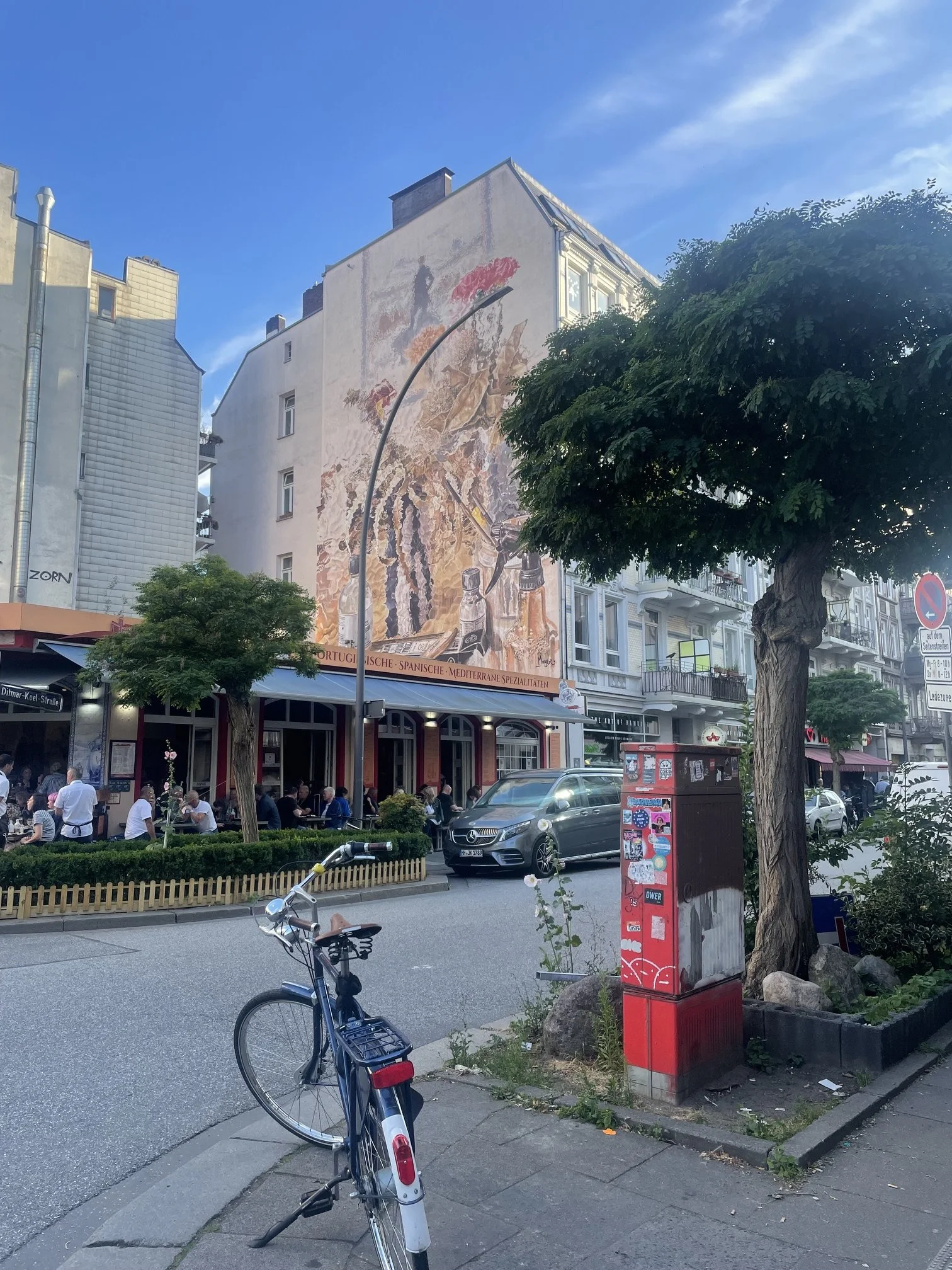
I wish I had discovered the Portuguese Quarter (Portugiesenviertel) sooner! This quarter is one of Hamburg’s most vibrant and beloved culinary neighborhoods. Located right by the Elbe River, just a short walk from the iconic Landungsbrücken floating piers and the historic St. Pauli district, it offers a slice of Mediterranean atmosphere in the heart of northern Germany.
A little about this place: it originated in the 1960s. The neighborhood was formed when Portuguese, Spanish, and Italian immigrants settled here in large numbers. Many worked as dockworkers at the nearby port or opened local businesses catering to mariners and residents.
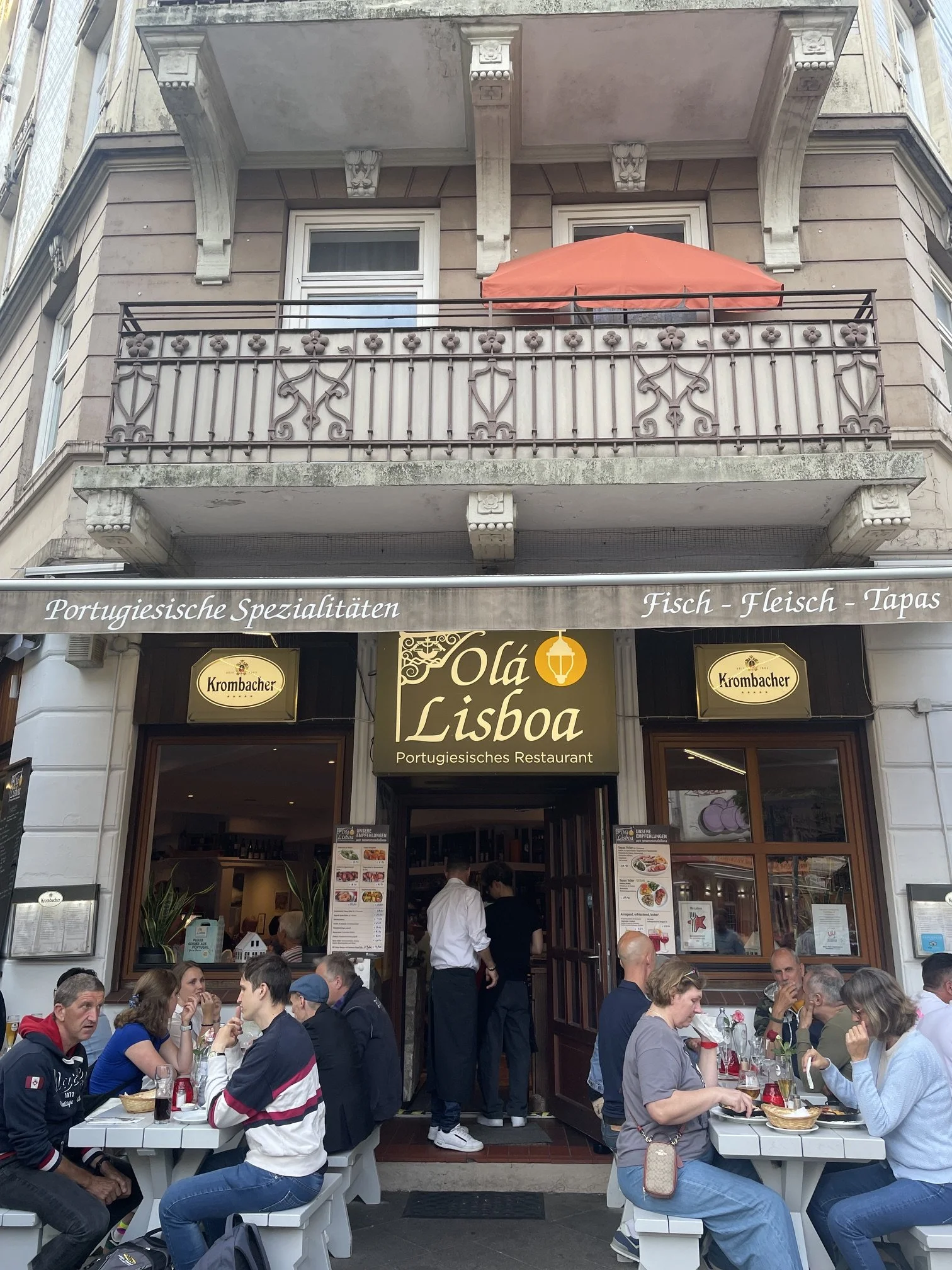
Fast forward to today, the neighborhood has a chill, relaxed vibe—perfect for an evening stroll and a great dinner. To make a visit even better, trying Mediterranean food while you’re there is highly recommended. There are many great options, so it can be hard to choose, but after some research I found a great choice called Olá Lisboa.
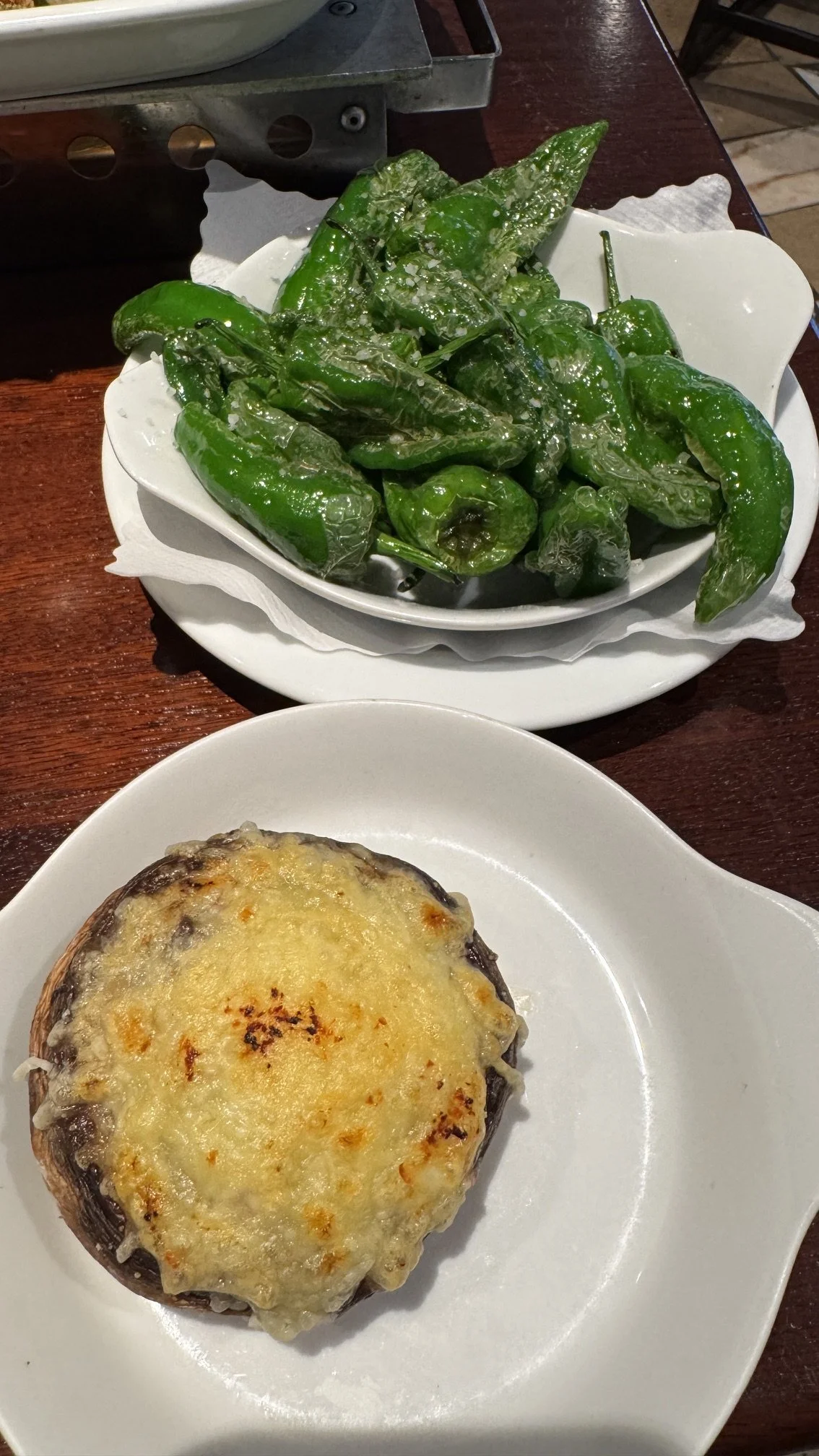
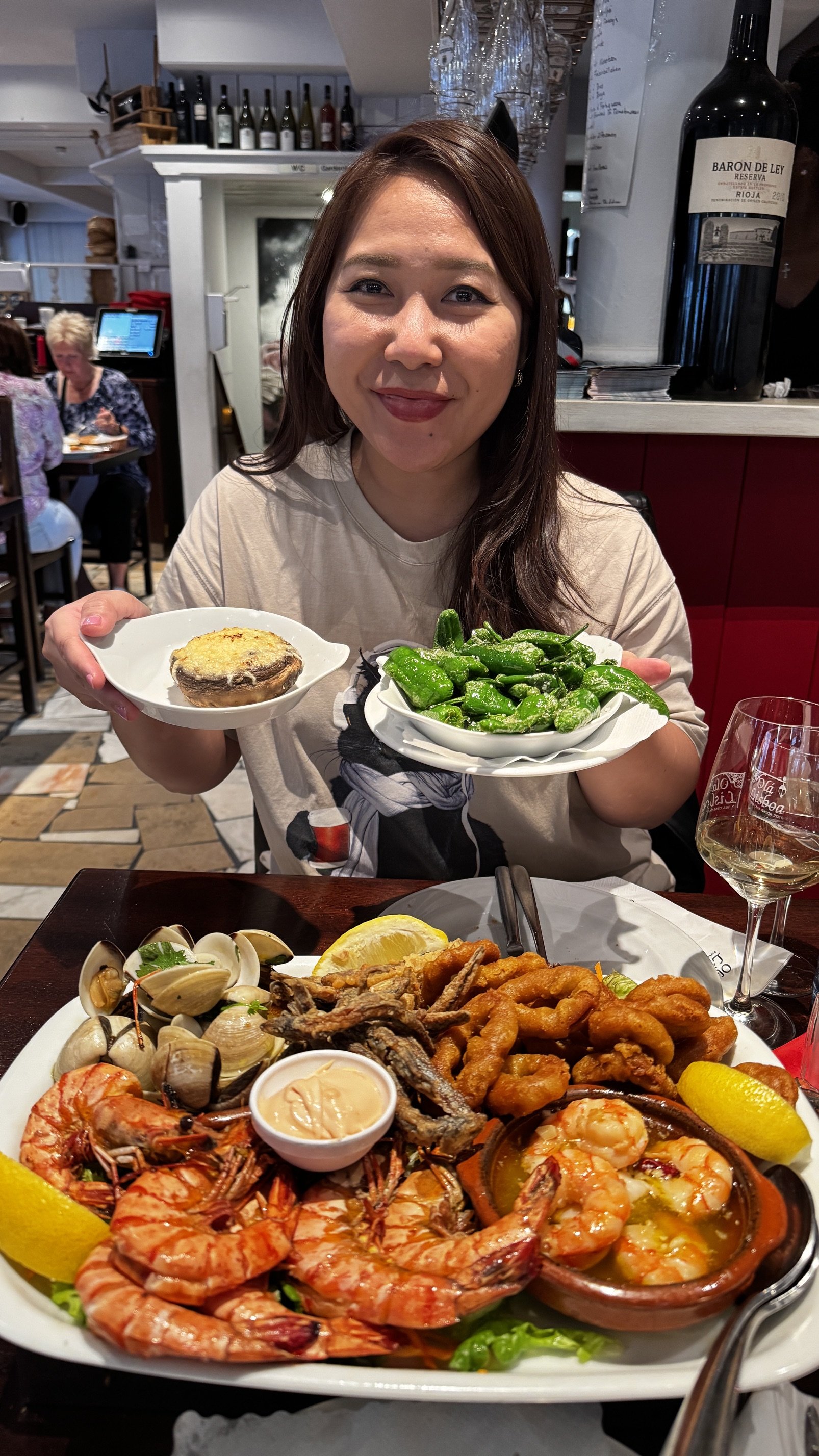
Since I have not been to Portugal and wanted to try Portuguese food, coming to this neighborhood and sampling the cuisine was a perfect fit. The food was delicious: my sister and I shared a fresh seafood platter and ordered side dishes like baked mushrooms and pimientos de Padrón (green pepper). We really enjoyed ourselves, and I would definitely like to visit this charming neighborhood again and try other restaurants next time. If you want to try Olá Lisboa, you can check out the menu here.
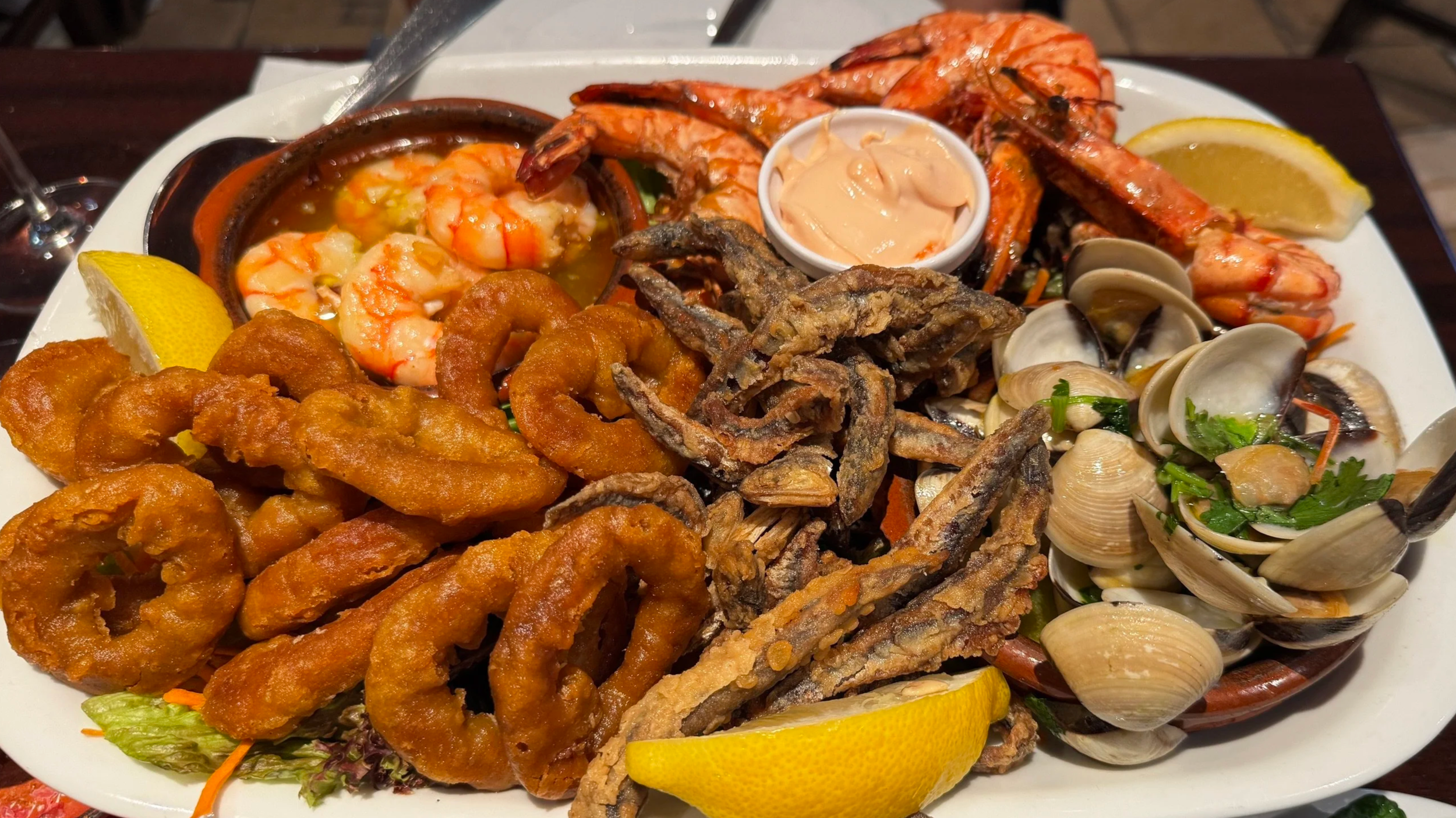
Meeresfrüchte Tapas (2 - 3 Personen) : Gambas in garlic sauce, grilled gambas, mussels in white wine sauce, fried calamari rings, deep fried boquerones.
Check out Westfield Hamburg-Überseequartier
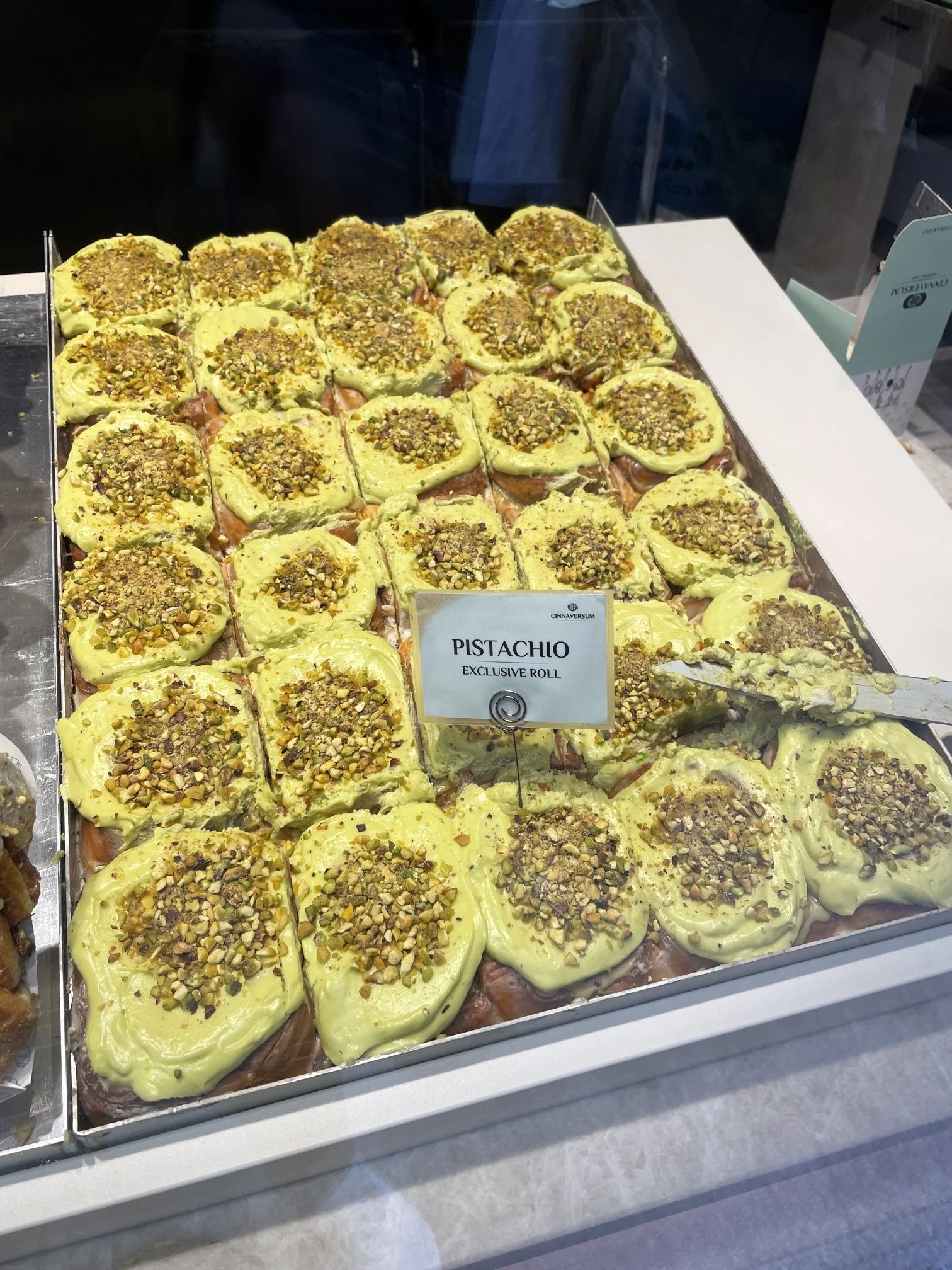
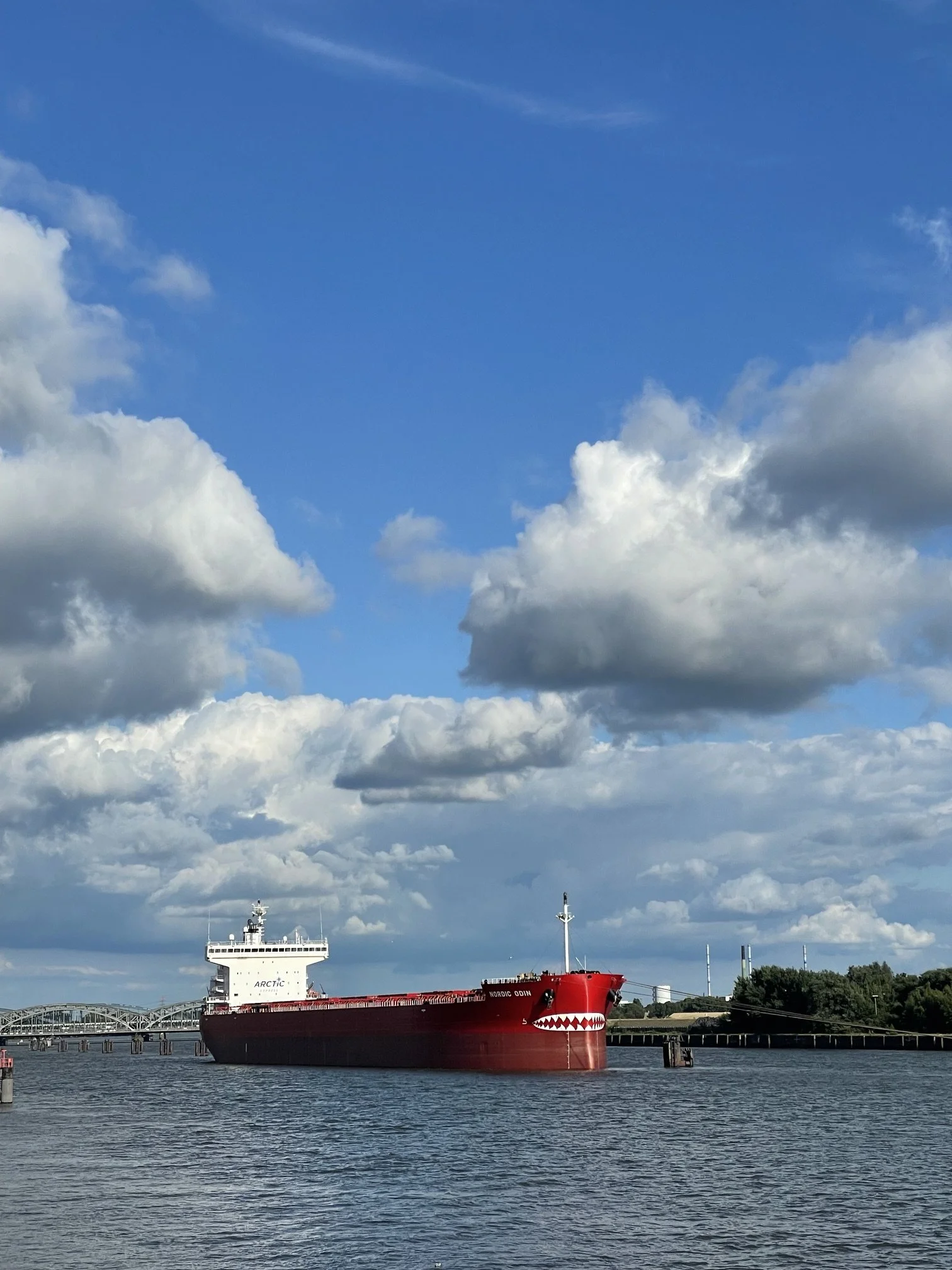
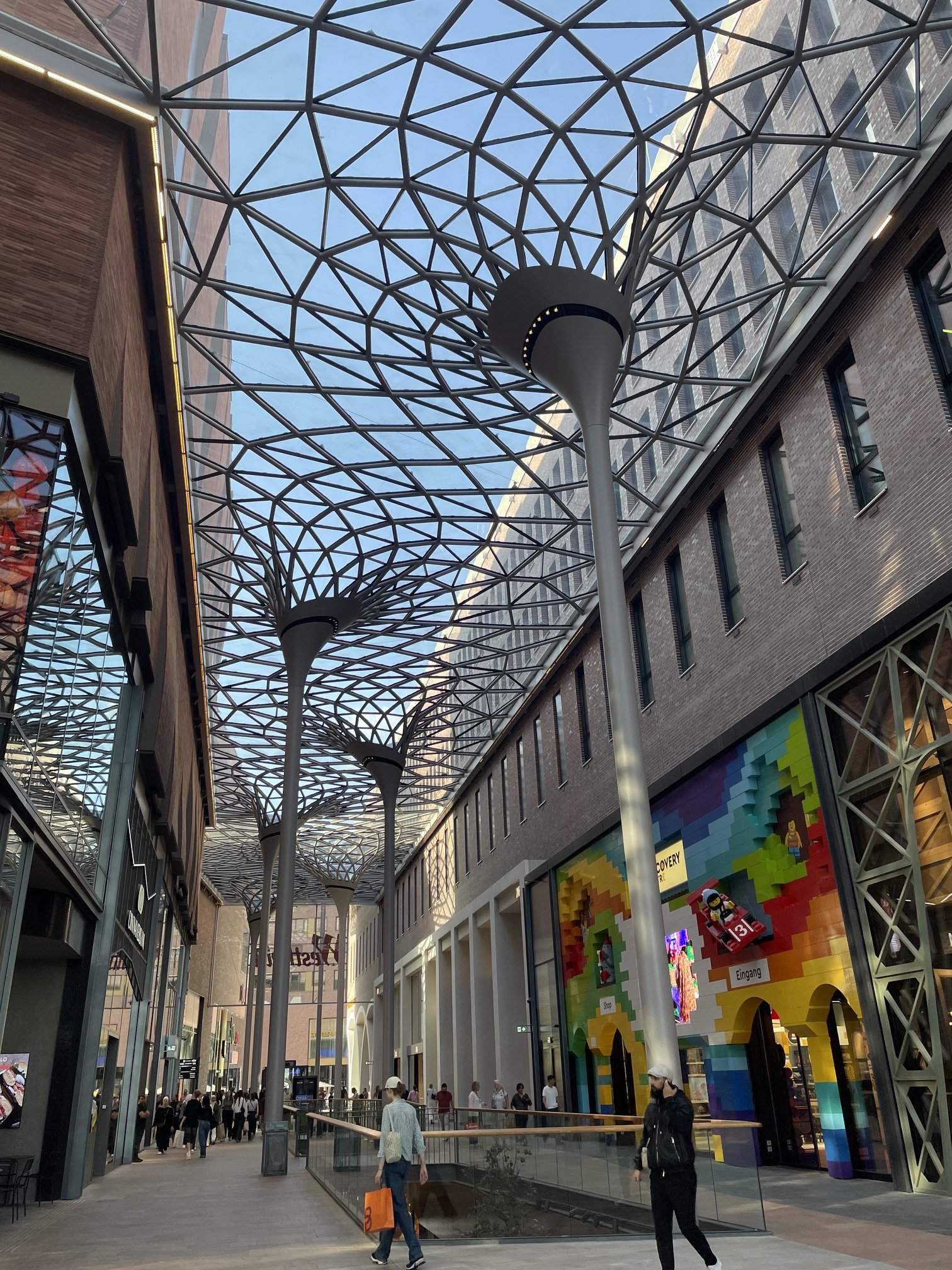
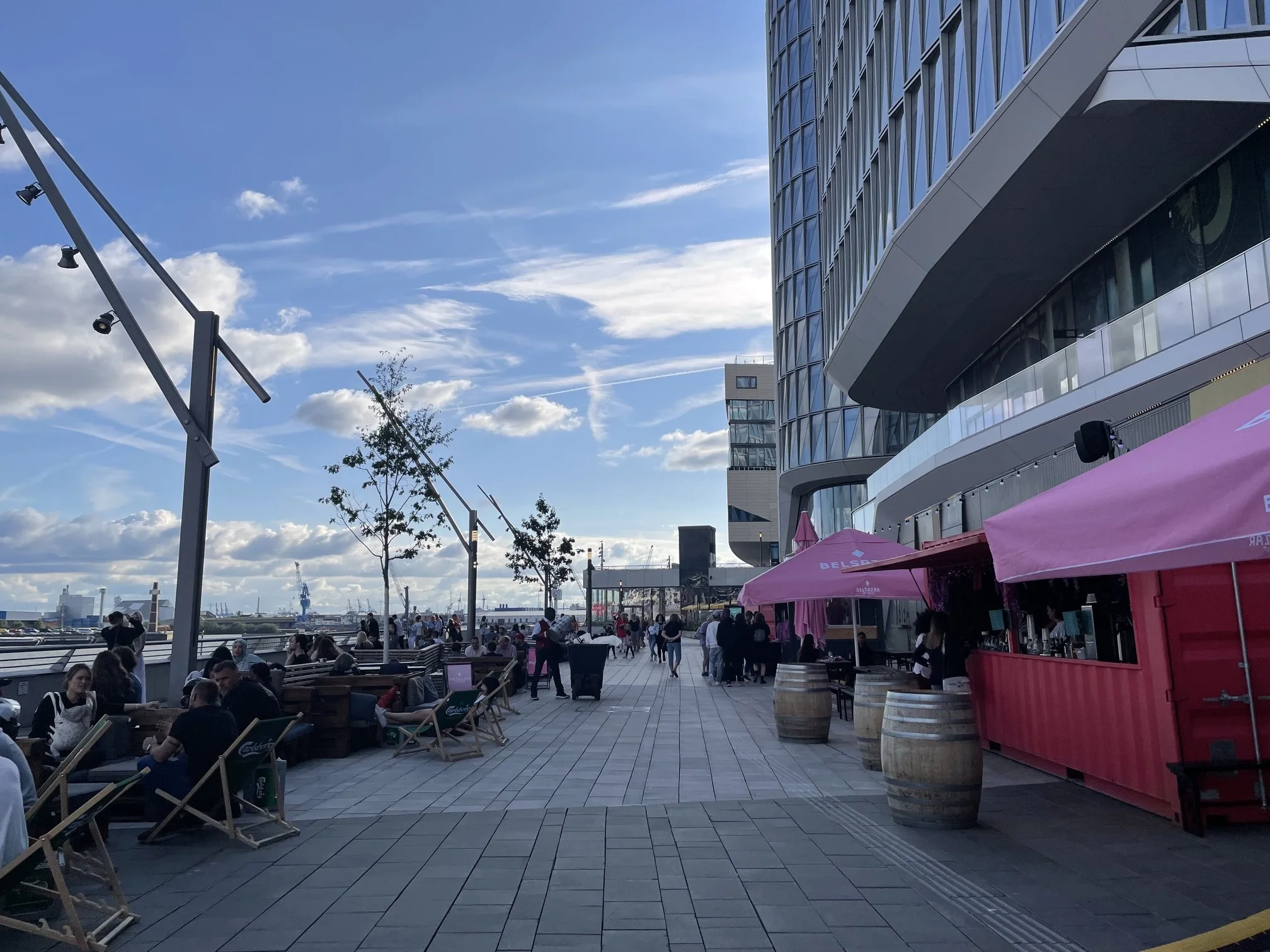
Westfield Hamburg-Überseequartier is Hamburg’s newest flagship shopping, dining, and lifestyle district. Located on the Elbe River in the modern HafenCity neighborhood, it is one of the best urban development projects in Europe. The open, mixed-use waterfront quarter spans 13 buildings that blend retail, entertainment, housing, offices, hotels, and even a cruise ship terminal, making it a great spot to chill and shop during summer.
There are 170+ stores: spanning three levels, the complex houses major global brands, high-street fashion, and luxury retailers. I got some good deals when I went there. It also features one of Germany’s largest Zara flagships, alongside other Inditex brands, H&M, Mango, Anson’s, Sephora, Lego, and Haribo.
If you are hungry, you can go to The Kitchen food hall, or choose waterfront and rooftop dining. The complex offers over 40 restaurants, cafés, and waterfront bars overlooking the harbor, as well as a rooftop restaurant with panoramic 360-degree views of HafenCity. I didn’t get to dine there this time, but the overall shopping experience and the architecture were lovely. I found many brands I would love to buy from again, so this is definitely a mall I would like to visit again. It’s also easily accessible by train!
Explore artsy Sternschanze for street art or food
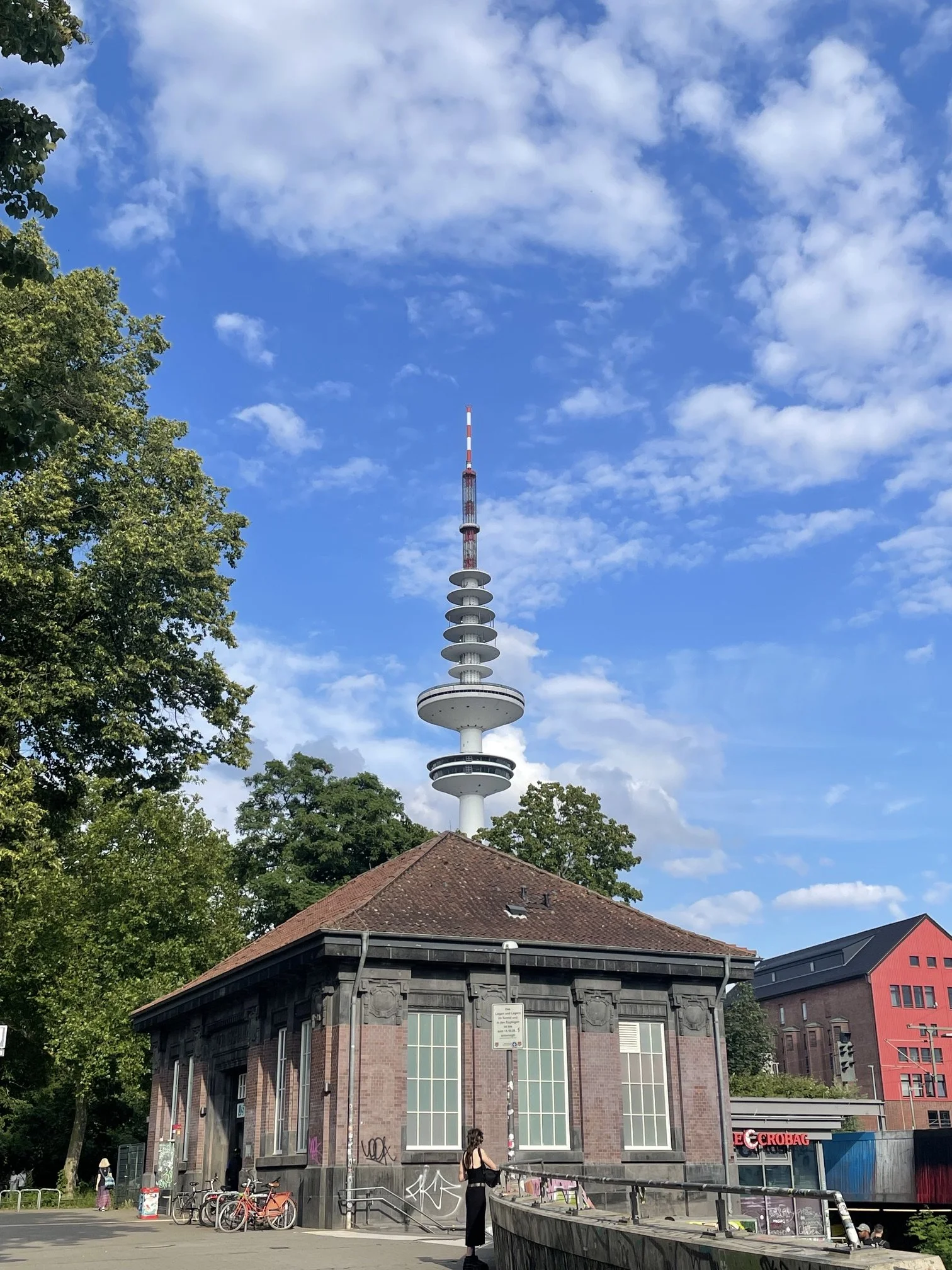
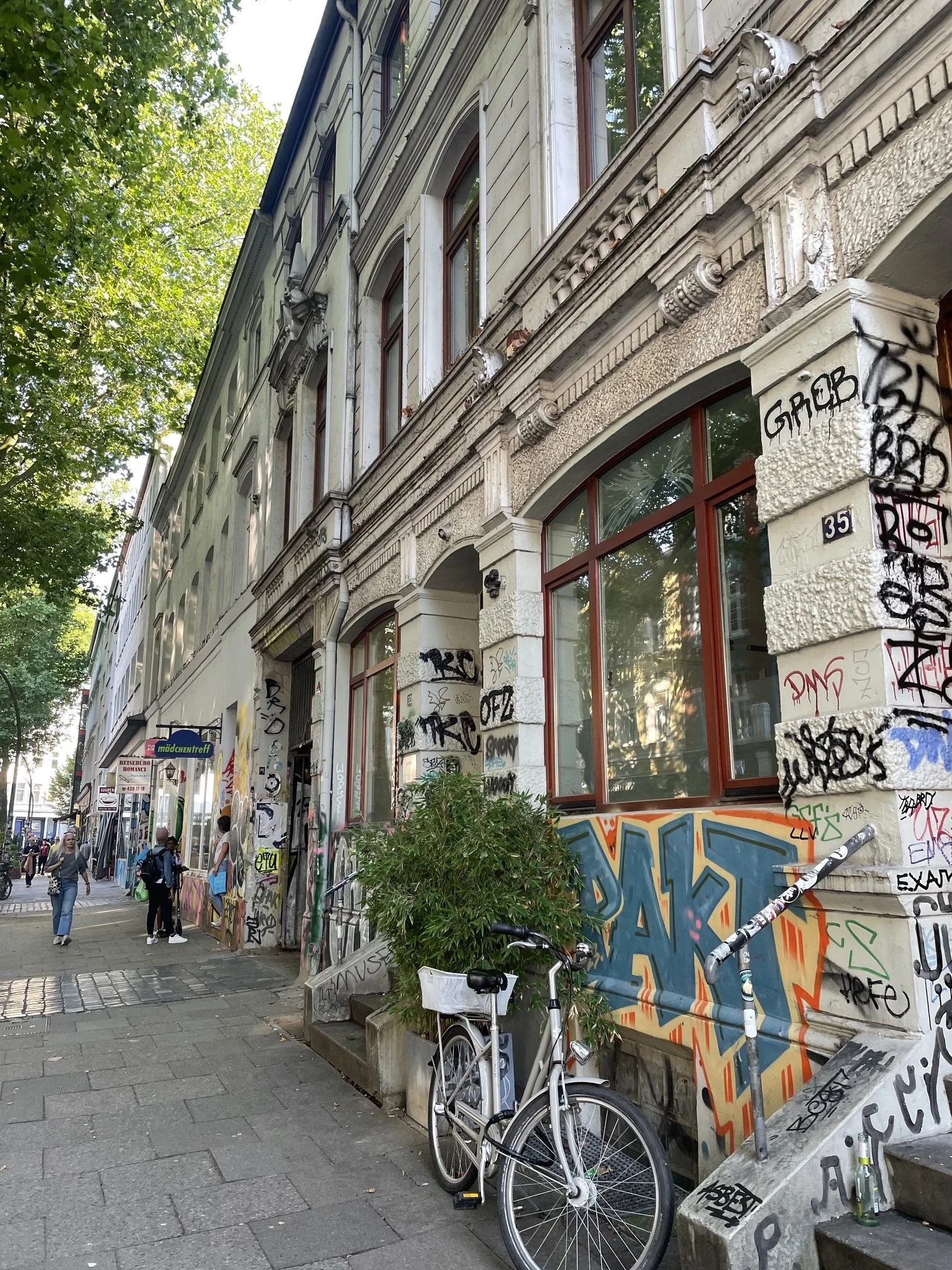
Sternschanze (commonly known to locals simply as "Die Schanze") is Hamburg’s vibrant countercultural, political, and creative epicenter. If St. Pauli is Hamburg’s rowdy nightlife strip, Sternschanze is its hip, politically conscious, independent alternative. I was introduced to this neighborhood by my friend. This is an interesting neighborhood to visit if you want to experience a Berlin-like vibe in Hamburg.
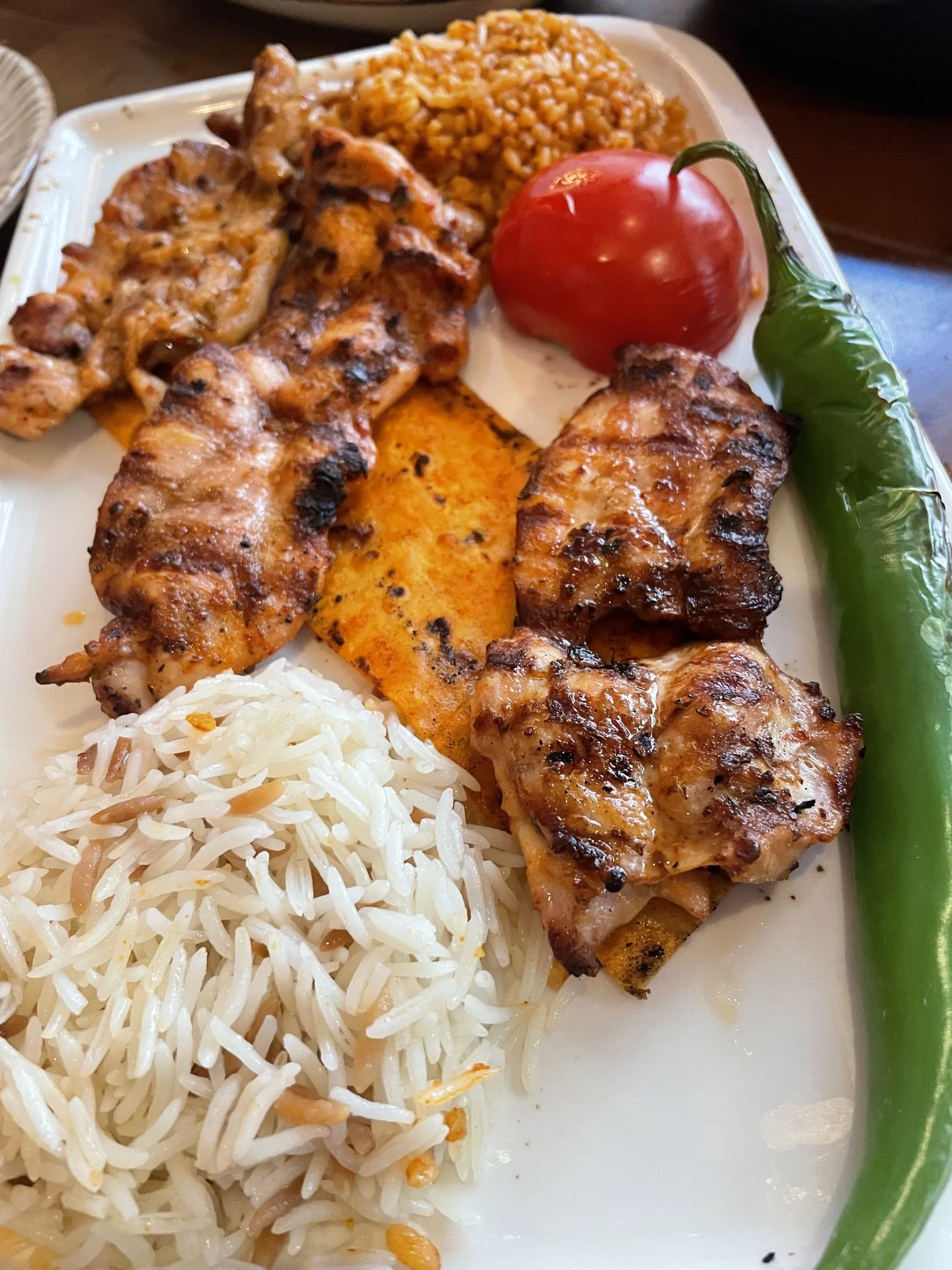
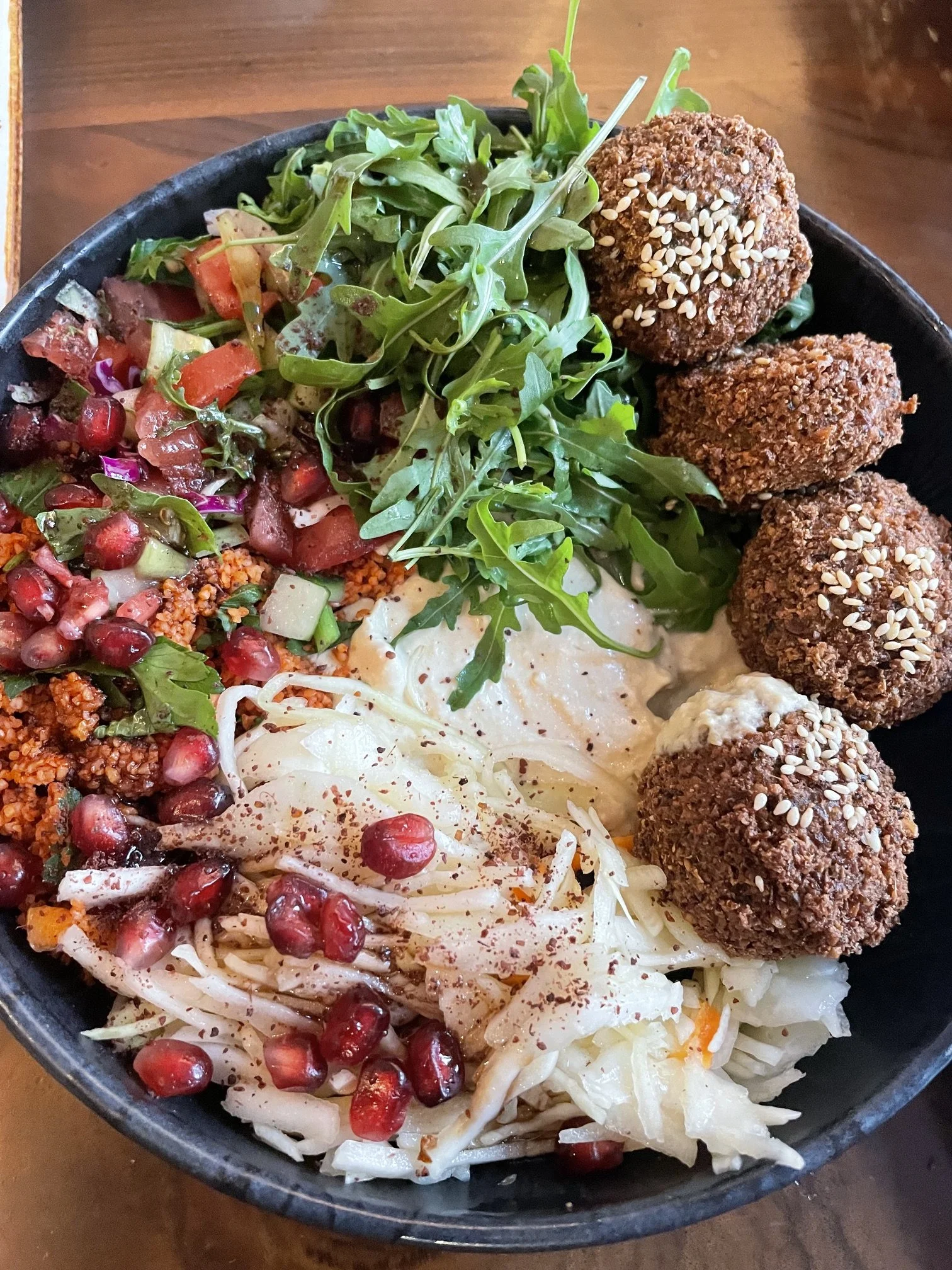
This neighborhood is interesting because of Schulterblatt, the main pedestrian-friendly artery of Schanze. Packed with outdoor seating, bakeries, record stores, and bars, it’s the place to grab a drink, people-watch, or sit outside on warm days. It’s especially popular among Germans in summer. Walking around, you’ll see much street art and murals: every wall, door, and alleyway in Schanze serves as a canvas for local and international street artists, stickers, and political stencil art. Initially we wanted to eat pizza there, but we could not get a table since we had to make a reservation first. Instead we found a nice Lebanese spot to try.
Enjoy authenic German bread or Sandwich at Braaker Mühle Brot- und Backwaren GmbH
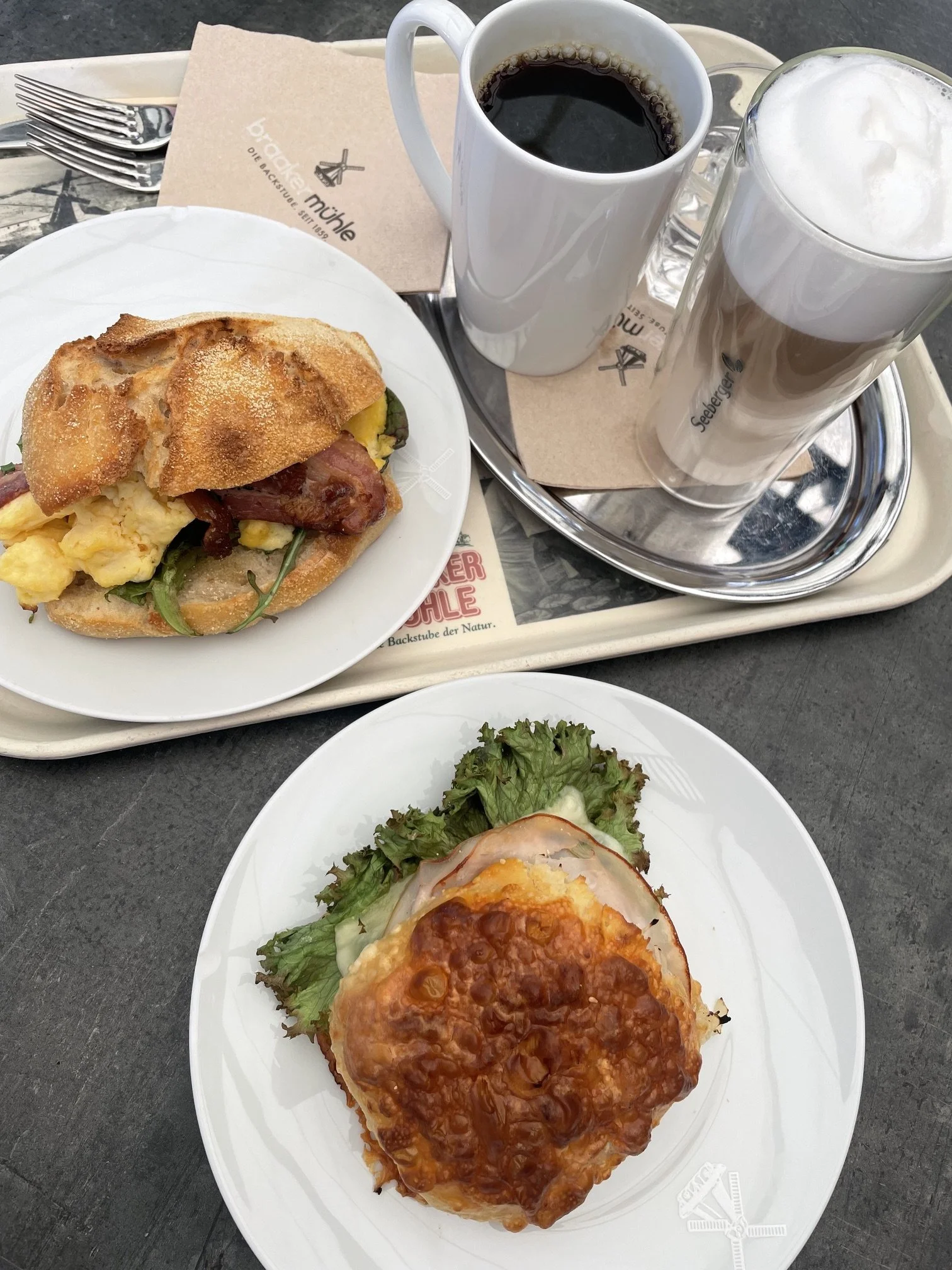
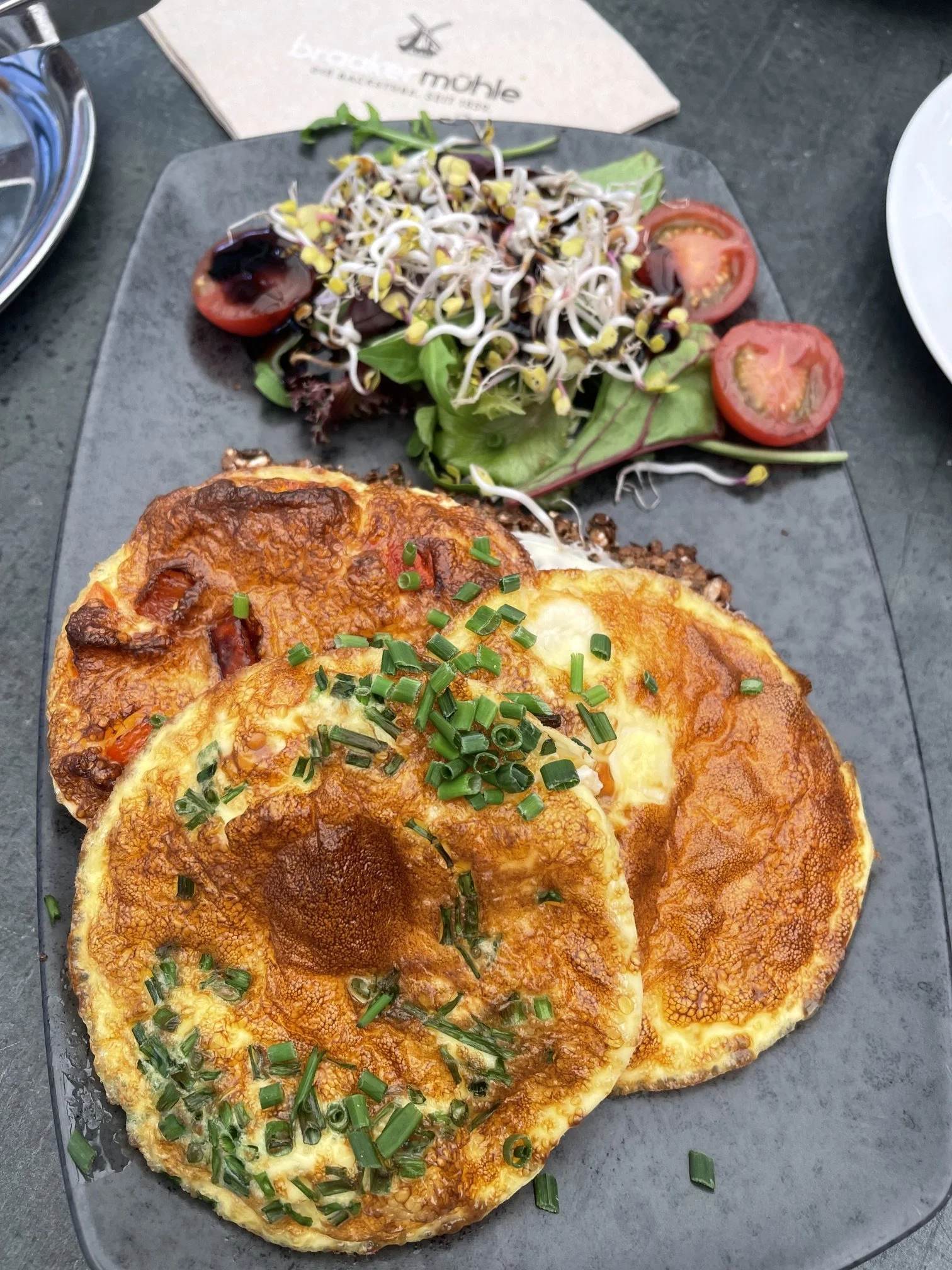
They say Germany has the best bread. Do you agree? At first I disagreed, but after many trips I’ve changed my mind and started to enjoy the thick, rustic German bread more and more. If you travel to Hamburg, here’s a little tip: eat bread and sandwiches from Braaker Mühle Brot- und Backwaren GmbH.
Braaker Mühle Brot- und Backwaren GmbH is one of the most famous and highly respected artisan bakery chains in the greater Hamburg region. Combining a rich, centuries-old tradition with modern organic baking, it is particularly celebrated for maintaining the rare craft of wind-powered stone milling.
The bakery takes its name from the historic Dutch windmill (Braaker Mühle) located in Braak, just east of Hamburg. Built in 1859, it remains one of the few commercial bakeries in Germany that still grinds a portion of its organic grain using authentic wind power and heavy millstones.
They specialize in artisanal, long-fermentation breads made with natural sourdough, regional organic grains, and no artificial additives or industrial baking mixes. The company has been run by the Lessau family for generations (now in its sixth generation), expanding from a small local mill into a major regional organic bakery brand.
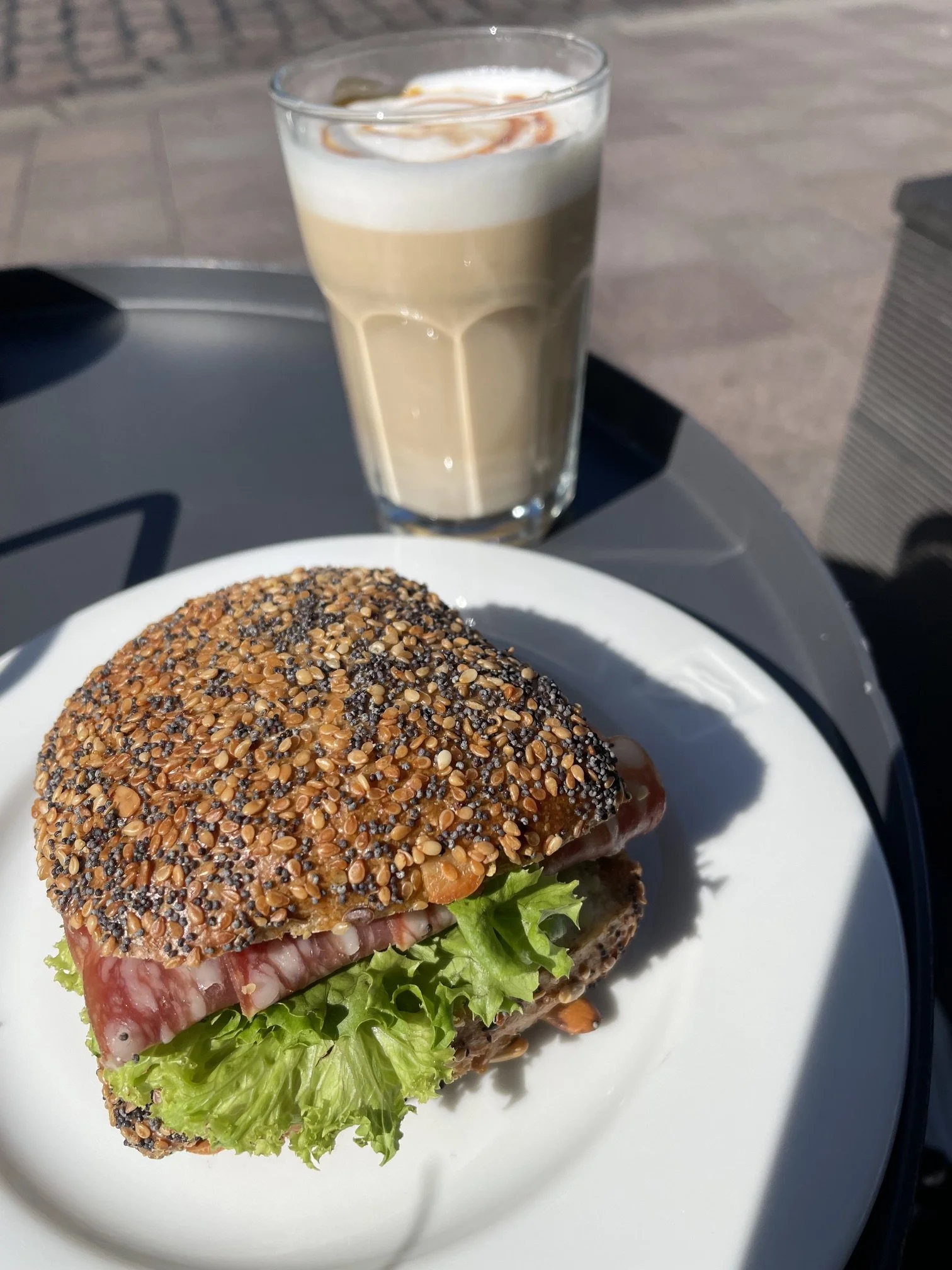
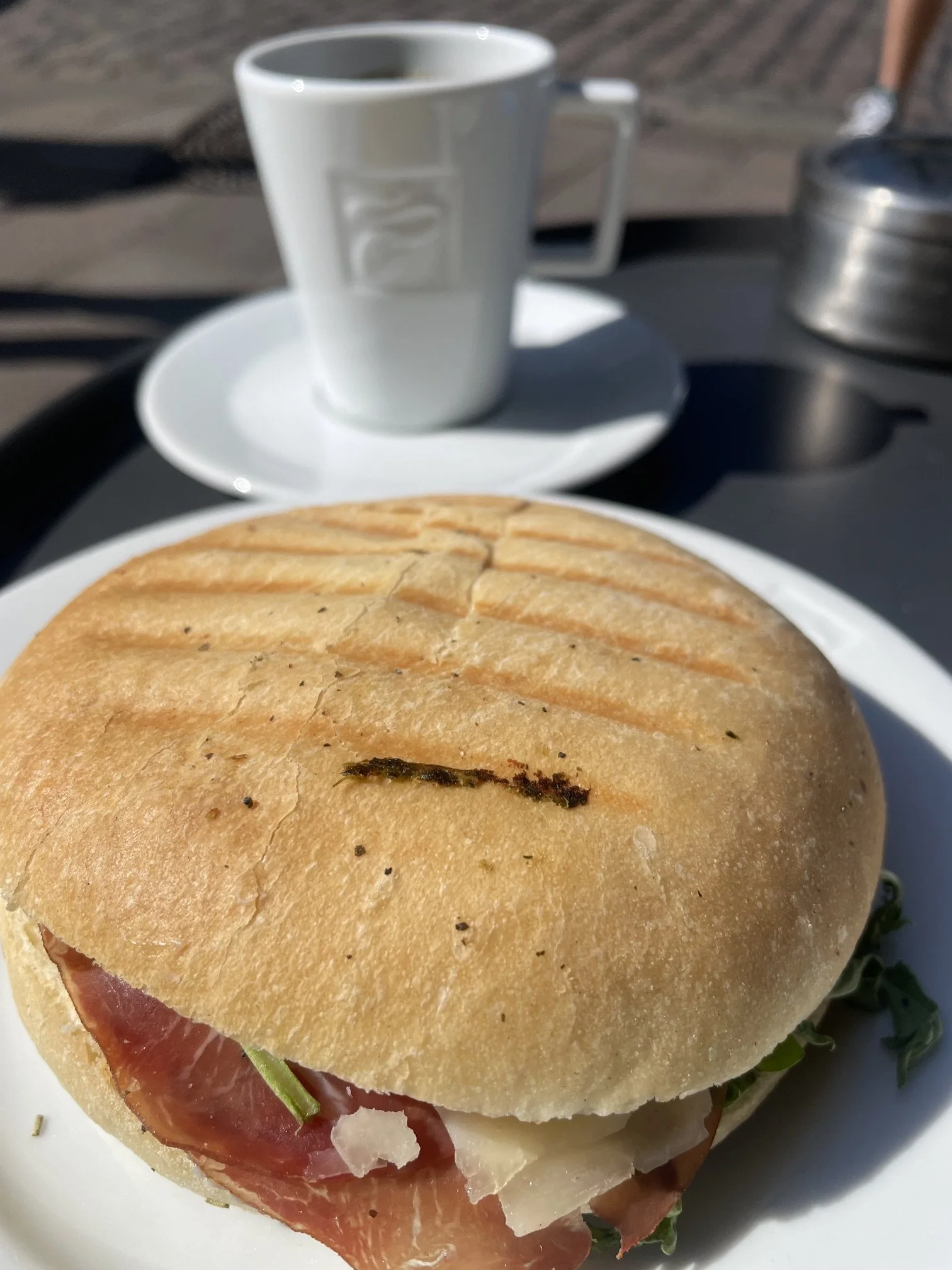
Braaker Mühle operates more than 25 bakery branches and cafés across Hamburg and Schleswig-Holstein, so you can easily find them in popular Hamburg neighborhoods. I really liked their sandwich, and I’m glad I got to eat it on my last day in Hamburg. So don’t miss it!
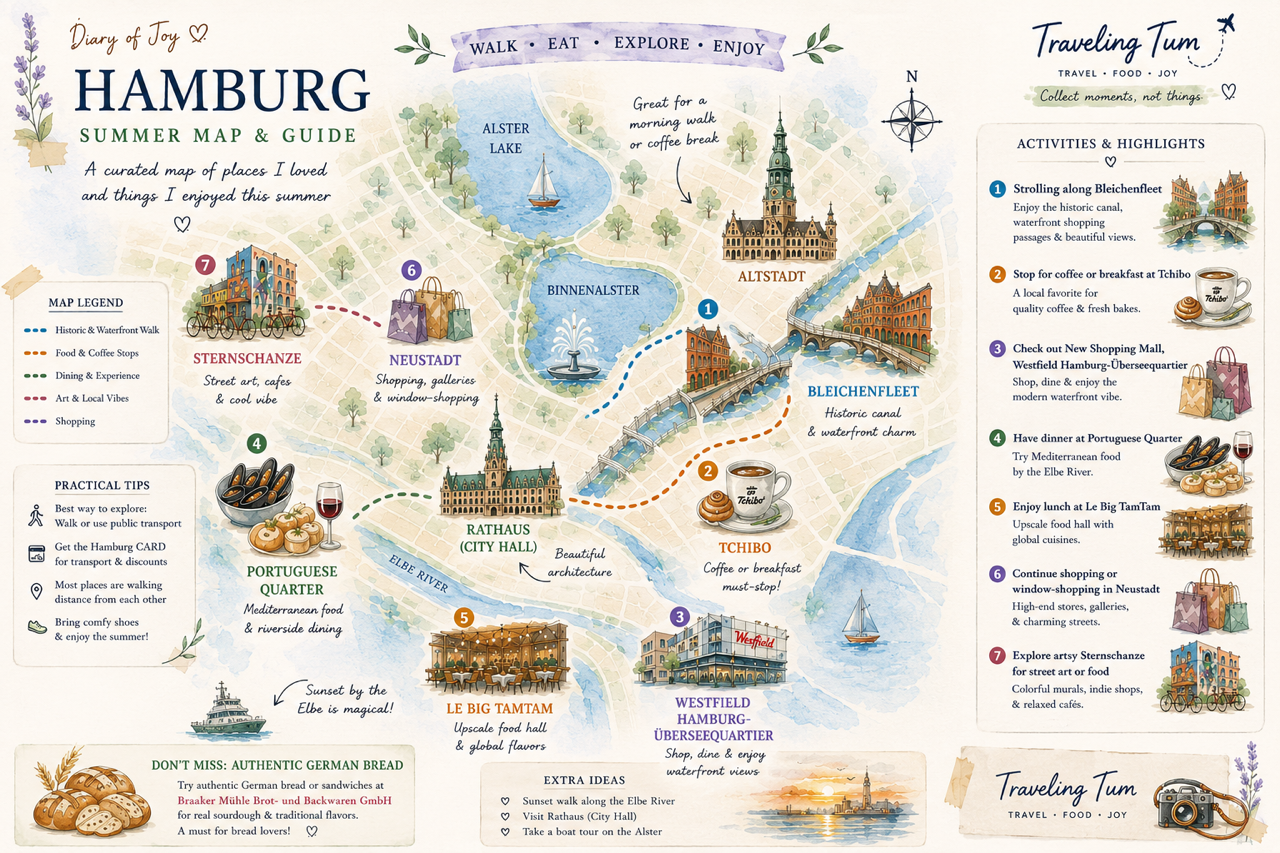
There you have it, my summer fun things to do in hamburg that I think worthwhile to share. Whether you are a first timer to Hamburg or not, I think there might be something useful in the list for you to try this time around.
If you want to know the list of top attractions in Hamburg, you can read about them in my other blog here.
Until we meet again, have a nice day!